
Physical security for telecom power infrastructure is the engineered protection of the generators, batteries, fuel systems, and copper cabling that keep cell sites and network nodes online, against theft, vandalism, and sabotage. It matters because these power assets, not the radios, are now the most-targeted and most outage-causing components at unmanned telecom sites.
This guide covers what gets stolen from telecom sites and why, how physical attacks cause outages, the standards that govern critical-infrastructure protection, the cost of an incident, and how a turnkey partner hardens and maintains site power. It is written for network operators, tower companies, and the reliability and security leaders who own uptime.
What Is at Risk at a Telecom Site
The most-targeted assets at a telecom site are its power components: copper cabling, backup batteries, generators, and diesel fuel, all valuable for resale and all critical to keeping the site online. Cell towers are unmanned, widely distributed, and often remote, which makes their power infrastructure uniquely exposed to theft and sabotage.
The scale is now severe, not incidental. Industry data compiled by the Protect Critical Communications Infrastructure coalition recorded 18,327 theft and vandalism incidents across US networks in 2025, an average of 50 per day, impacting more than 11.8 million customers and rising 59% over 2024.
The motive is almost always metal and fuel. Copper cabling is stripped for scrap, backup batteries and generators are removed for resale, and diesel is siphoned from fuel tanks. In one case, a single individual stole more than 900 backup batteries from 66 cell sites, causing over USD 330,000 in damage. The theft target and the uptime-critical asset are the same object.
How Physical Attacks Cause Network Outages
Physical attacks cause outages by removing the power layer the network depends on, not by touching the radios directly. When copper feeders are cut, batteries are stolen, or a generator is disabled, the site loses power and goes dark even though the communications equipment is undamaged.
The outage impact extends far beyond the stolen hardware. A thief may gain a few hundred dollars from copper, but the resulting service disruption cuts communities off from commerce, healthcare, and emergency services. Research quantified up to USD 1.47 billion in foregone economic gain from US communications outages caused by infrastructure theft and vandalism in 2025.
Backup power is the specific point of failure. A site relies on its battery string and generator to ride through grid outages, so stealing those assets does not just cost their replacement value, it removes the site's entire resilience margin. The next grid dip then becomes a full outage, turning a property crime into a network-availability failure.
How to Harden Telecom Power Infrastructure
Telecom power infrastructure is best protected by layered physical security engineered into the site, combining perimeter hardening, asset-level protection, monitoring, and rapid response. No single measure is sufficient; the distributed, unmanned nature of sites means protection must be designed in depth, not bolted on after a loss.
The core layers of a hardened telecom site:
- Perimeter: anti-climb fencing, secured gates, and hardened equipment shelters and cabinets to delay and deter intrusion.
- Asset-level protection: locked and alarmed battery cabinets, generator enclosures, and fuel-tank security to protect the highest-value targets directly.
- Cable protection: buried, armored, or marked copper and traceable-marking systems that reduce resale value and aid recovery.
- Monitoring and detection: intrusion alarms, remote video, and power-telemetry that flags a sudden load loss the moment an asset is tampered with.
- Response and O&M: rapid dispatch to restore power and replace stolen assets before the outage extends, tied into the maintenance program.
The economic case is decisive. Security specialists note that the financial impact of a serious incident, including damage, liability, and lost service, far exceeds the cost of on-site security measures, which makes hardening a cost-effective component of an operator's risk-mitigation strategy rather than an overhead.
Layered Physical Security: A Defense-in-Depth Model
Effective telecom site security uses defense in depth, layering deterrence, delay, detection, and response so that defeating one measure still leaves the attacker facing the next. A single fence or a single camera is easily defeated; layered controls are what actually protect an unmanned, remote asset.
The layer most operators underinvest in is detect-plus-respond for the power assets specifically. Tying intrusion detection to power telemetry means a stolen battery or disabled generator raises an alarm immediately, and integrating that with an O&M dispatch capability means the site is restored before a property crime becomes a prolonged outage.
Standards Governing Critical-Infrastructure Physical Security
Physical security for critical infrastructure is governed by recognized frameworks including NERC CIP-014, ISO/IEC 27001 Annex A physical controls, and ASIS facility-security guidance, not by generic property-security practice. Citing the correct framework is how operators and partners align on what credible, defensible site protection requires.
The frameworks that apply to telecom power-site physical security:
Physical-security risk is now tracked at national scale. The North American Electric Reliability Corporation reported that physical-security incidents causing measurable grid outages rose 71% from 2021 to 2022, the trend that makes designed-in protection a governance requirement rather than an option.
Why Physical Security Belongs With Power O&M
Physical security for telecom sites is most effective when integrated with power operations and maintenance, because the assets being protected and the assets being maintained are the same generators, batteries, and fuel systems. Treating security and power O&M as separate contracts leaves the gap where theft becomes prolonged outage.
The advantage of integration is speed of restoration. When the same partner monitors the power assets, holds the spare batteries and parts, and dispatches the crews, a theft or tamper event triggers both an alarm and a restoration in one workflow. Detection without restoration capability only tells you the site is down.
This is the gap the security-vendor market leaves open. Camera and fencing suppliers detect and deter, but they do not restore the stolen power or maintain the assets afterward. Uptime is produced when protection, spare-parts supply, and field response operate as one program, which is exactly the layer a turnkey power partner provides.
How Prismecs Secures and Sustains Telecom Site Power
Prismecs protects and sustains telecom site power as a turnkey, OEM-agnostic partner across power engineering, asset hardening, spare-parts supply, and 24/7 field response, so operators get uptime as an outcome rather than a set of disconnected security and maintenance contracts. The focus is the power layer that attacks target and that outages depend on.
The Prismecs capability set for telecom site power resilience and protection:
- Hardened power infrastructure: engineered enclosures, secured generator and battery installations, and fuel-system protection designed into the site rather than retrofitted after a loss.
- Monitoring integrated with power telemetry: remote condition monitoring that flags a sudden load loss or tamper event on the power assets in real time.
- Ready spares and 24/7 emergency response: rapid replacement of stolen batteries, generators, and cabling to restore power before an outage extends.
- OEM-agnostic O&M: operations and maintenance across mixed-vendor power fleets that keeps hardened assets serviced and available.
- Procurement and supply chain support: sourcing and delivery of secure enclosures, replacement assets, and spares through eIndustrify.
The differentiator is that Prismecs carries the whole chain, from hardened design through monitoring, spare-parts supply, and field restoration. That integration is what converts physical protection into sustained network availability, and it is precisely the layer that standalone security vendors and rental fleets do not provide.
Frequently Asked Questions
What gets stolen from telecom towers?
The most-stolen assets at telecom sites are copper cabling, backup batteries, generators, and diesel fuel, all valuable for resale and all critical to keeping the site powered. Because towers are unmanned and often remote, these power components are highly exposed. In one US case, a single thief stole over 900 backup batteries from 66 cell sites.
How much does telecom infrastructure theft cost?
Telecom infrastructure theft and vandalism reached 18,327 US incidents in 2025, up 59% over 2024, impacting more than 11.8 million customers. Research estimated up to USD 1.47 billion in foregone economic gain from the resulting outages that year. The societal cost of an outage far exceeds the replacement value of the stolen copper, battery, or fuel.
How do you secure a cell site's power assets?
Cell-site power is secured through layered defense: anti-climb fencing and hardened cabinets to delay intrusion, locked and alarmed battery and generator enclosures to protect high-value targets, cable-marking to reduce resale value, and monitoring tied to power telemetry. Integrating detection with rapid O&M dispatch restores power before a theft becomes a prolonged outage.
What standards govern physical security of critical infrastructure?
Critical-infrastructure physical security references NERC CIP-014 for physical protection of critical grid assets, ISO/IEC 27001 Annex A for physical and environmental controls, and ASIS facility-security guidance. Telecom outside-plant enclosures follow ATIS/Telcordia GR-487 and GR-3108, and diesel fuel storage for backup generators follows NFPA 30 and local fire code.
Why is backup power a physical security priority?
Backup power is a priority because batteries and generators are both the highest-value theft targets and the site's entire resilience margin. Stealing them removes the site's ability to ride through a grid outage, so the next power dip becomes a full network outage. Protecting the power assets protects uptime, not just hardware value.
Should physical security be combined with power O&M?
Yes. The assets being protected and maintained are the same generators, batteries, and fuel systems, so combining them lets one partner detect a tamper event and restore power in a single workflow. Separating security and O&M into different contracts creates the gap where a theft becomes a prolonged outage instead of a fast recovery.
Why Site Power Protection Is a Partner Decision
Protecting telecom site power is ultimately an execution decision, not a fence purchase, because uptime is produced when hardened design, monitoring, spare parts, and field response operate as one program. The threat is quantified, the standards are established, and the outage cost of an unprotected site far exceeds the cost of securing it.
Operators weighing how to protect and sustain remote or critical telecom power need a partner who can harden the assets, monitor them, and restore power fast when an incident occurs. That is the Prismecs model: turnkey, OEM-agnostic, and built around network availability as the deliverable.
To discuss securing and maintaining your telecom site power infrastructure, call +1 (888) 774-7632 or email sales@prismecs.com.
Tags: telecom site physical security copper theft prevention telecom cell tower power protection critical infrastructure hardening telecom backup power security
recent posts
Power Utilities
18 minutes read
Temporary and Bridge Power for Industrial Facilities: When and How to Use It
Planning bridge power past 12 months? Under EPA rules your generators may be stationary from day one. Check Tier 4, NSPS KKKKa and SPCC triggers befor...
Power Utilities
16 minutes read
What Is a Mobile Gas Turbine Power Plant? TM2500-Class Units Explained
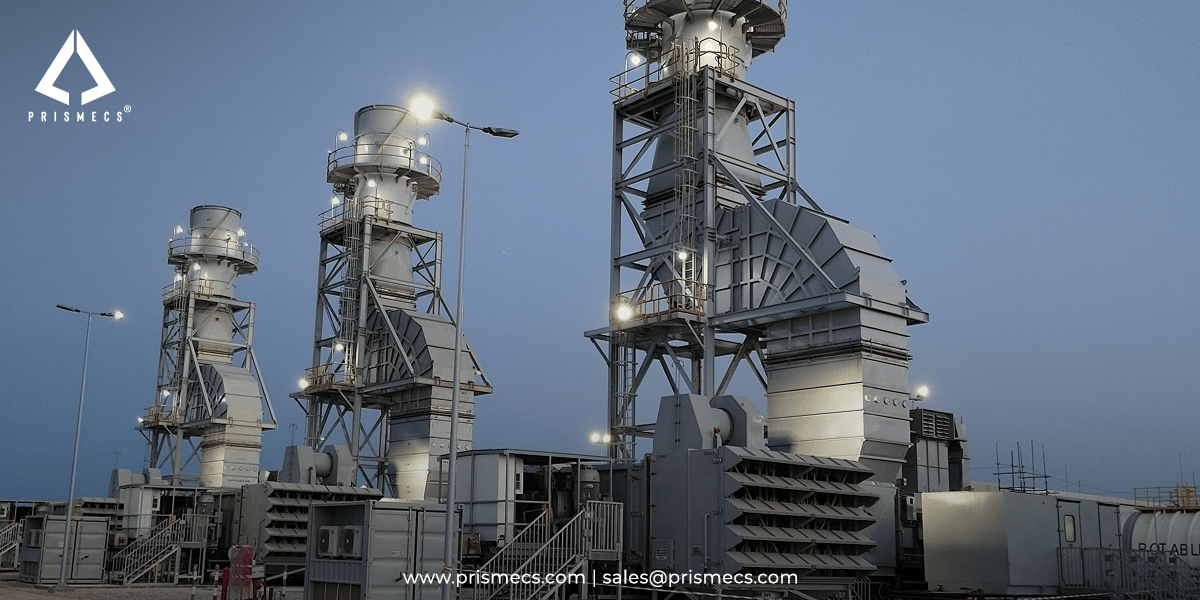
A mobile gas turbine power plant is a transportable power generation system designed to add electrical capacity faster than a conventional permanent p...
Power Utilities
20 minutes read
Fast-Track Power Plants Deployment: How to Reach Speed to Power in Under 12 Months
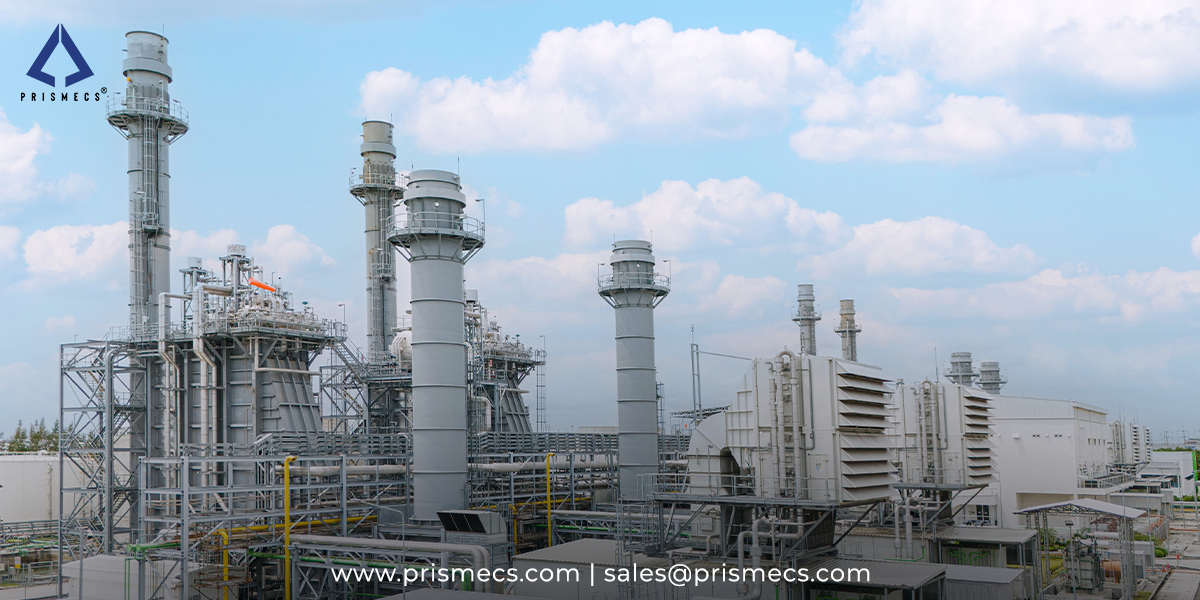
Fast-track power plant deployment can hit first power in weeks. See real TM2500 timelines from permitting to COD, proven in Oman and Taiwan. Plan your...

O&M Services
11 minutes read
Gas Turbine Outage Planning: Schedule, Scope Rules, and Checklist
Gas turbine outage planning starts 18 months out. Get the T-minus schedule, scope freeze rules, parts readiness gates and checklist. Talk to a Prismec...