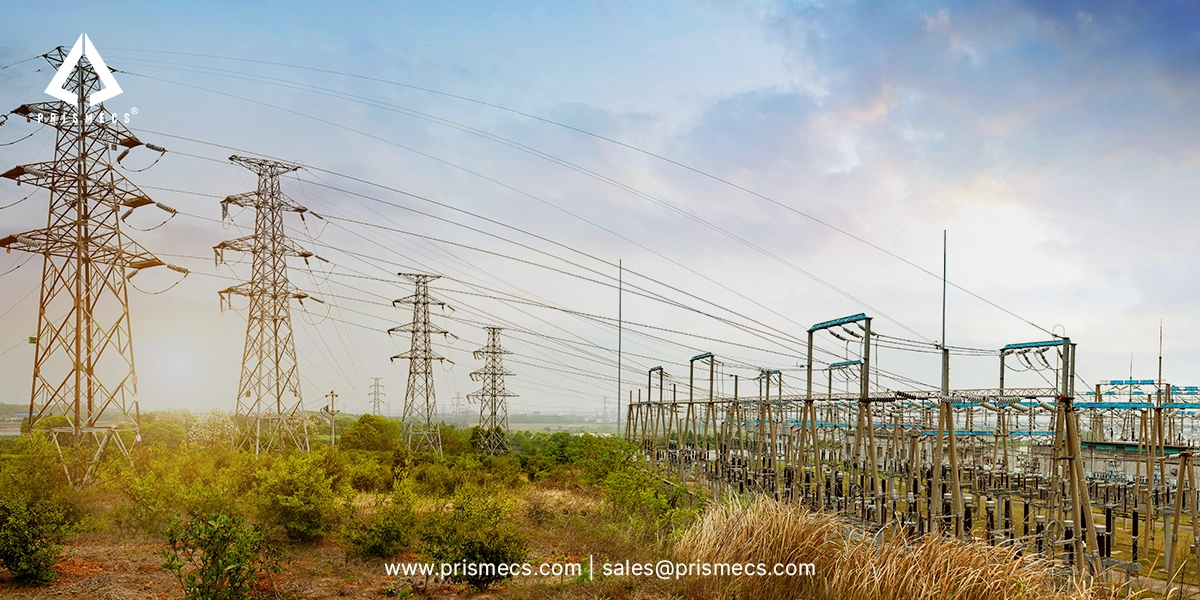
Industrial power grid solutions are engineered electrical systems designed to improve the reliability, efficiency, flexibility, and resilience of critical power infrastructure through technologies such as substations, transformers, switchgear, protection systems, automation platforms, microgrids, energy storage systems, and distributed energy resources.
For utilities, data centers, healthcare facilities, oil and gas operators, manufacturing plants, and other power-intensive industries, modern grid solutions are becoming essential to maintain uptime as electricity demand increases, renewable integration expands, and industrial operations become increasingly dependent on digital infrastructure.
Traditional electrical networks were designed around centralized generation and predictable electricity consumption patterns. Modern industrial environments operate differently. Facilities now manage larger electrical loads, variable renewable generation, distributed energy assets, advanced control systems, and increasingly strict reliability expectations.
According to the International Energy Agency (IEA), global electricity demand is entering a period of accelerated growth driven by industrial electrification, transportation, digital infrastructure, and expanding data center demand. The agency projects electricity consumption to continue rising strongly through 2027, creating greater pressure on grids, generation resources, and electrical infrastructure.
For mission-critical operators, the objective is not simply connecting a facility to the grid. The objective is developing an engineered energy infrastructure system that maintains power availability, protects critical assets, supports future expansion, and reduces operational risk.
Why Industrial Power Grid Solutions Matter Today
Industrial power grid solutions are critical because electrical reliability directly impacts operational continuity, safety, production performance, and financial outcomes.
A power interruption in a manufacturing facility can stop production lines. A grid disturbance at a data center can affect digital services. A power failure at an industrial processing facility can create safety risks and significant operational losses.
Modern grid solutions go beyond traditional transmission and distribution upgrades. They combine electrical engineering, automation, monitoring, distributed generation, and energy management technologies to create resilient power systems capable of supporting evolving industrial requirements.
Industrial operators increasingly require power infrastructure that can:
- Maintain stable voltage and frequency during changing demand conditions
- Integrate renewable generation without compromising reliability
- Support high-density electrical loads such as AI-driven data centers
- Reduce exposure to grid outages and power quality issues
- Improve visibility into electrical asset performance
- Enable future capacity expansion without major infrastructure redesign
A modern industrial grid is not simply an electricity connection. It is an intelligent operating platform that manages power availability, quality, resilience, and long-term asset performance.
The Growing Challenges Facing Industrial Power Infrastructure
Rising Electricity Demand From Industrial Growth and Digital Infrastructure
Industrial electricity demand is increasing because of electrification, automation, transportation transformation, artificial intelligence infrastructure, and expanding digital services.
Data centers have become one of the fastest-growing drivers of electricity demand. AI workloads, cloud computing, and high-performance computing require large-scale, reliable power infrastructure that traditional grid connections may not always deliver quickly enough.
The International Energy Agency (IEA) reports that global electricity demand increased by 4.3% in 2024 and is forecast to continue growing at close to 4% annually through 2027, supported by industrial growth, electrification, and expanding data center operations.
Industrial operators evaluating future power requirements must consider:
- Available grid capacity
- Electrical infrastructure limitations
- Future load growth
- On-site generation opportunities
- Energy storage requirements
- Grid interconnection requirements
Without proper infrastructure planning, increasing electricity demand can create bottlenecks that limit industrial expansion.
Renewable Energy Integration Creates New Grid Complexity
Renewable energy integration requires advanced grid management because solar and wind generation fluctuate based on environmental conditions.
Unlike conventional generation sources that can often provide predictable output, renewable resources introduce variability into electrical networks. Industrial facilities integrating renewable energy must maintain grid stability while managing changing generation profiles.
Key engineering considerations include:
- Variable generation output
- Voltage regulation
- Frequency stability
- Power quality management
- Energy storage coordination
- Protection system adjustments
Modern grid solutions combine renewable generation with intelligent controls, battery storage systems, and energy management platforms to maintain stable electrical operation.
For industrial operators, renewable integration is not only an environmental objective. It is an engineering challenge requiring careful coordination between generation assets, electrical infrastructure, and operational requirements.
Aging Electrical Infrastructure Increases Reliability Risks
Many industrial electrical systems were designed decades ago and may not support today's operational requirements.
Aging infrastructure can create challenges including:
- Limited monitoring capability
- Aging transformers and switchgear
- Manual fault detection
- Reduced expansion flexibility
- Limited automation capabilities
- Increased maintenance requirements
Grid modernization projects often involve upgrading electrical infrastructure while maintaining ongoing operations. This requires careful planning to minimize downtime and ensure safe integration of new systems with existing assets.
Modernization typically includes improvements such as:
- Digital monitoring systems
- Intelligent protection equipment
- Advanced automation
- New electrical distribution equipment
- Improved operational visibility
Cybersecurity Becomes Critical for Connected Power Systems
Modern power infrastructure depends increasingly on digital monitoring and control systems.
Technologies such as:
- SCADA (Supervisory Control and Data Acquisition)
- Energy Management Systems (EMS)
- Industrial communication networks
- Intelligent Electronic Devices (IEDs)
improve operational visibility and automation but also introduce cybersecurity considerations.
For applicable bulk electric system operators, the North American Electric Reliability Corporation (NERC) Critical Infrastructure Protection (CIP) Standards establish cybersecurity requirements designed to protect critical electric infrastructure.
Industrial operators must consider cybersecurity as part of grid modernization planning, especially as electrical systems become more connected and data-driven.
Core Components of Modern Industrial Power Grid Solutions
Modern industrial grid solutions combine multiple electrical technologies that work together to improve reliability, control, and operational performance.
Substations and Electrical Distribution Infrastructure
Substations are the foundation of industrial electrical infrastructure because they transform voltage levels and control electricity distribution between generation sources, transmission networks, and facility loads.
A modern industrial substation typically includes:
- Power transformers
- Circuit breakers
- High-voltage and medium-voltage switchgear
- Protection relays
- Instrument transformers
- Control and automation systems
Substation modernization improves reliability by enabling faster fault isolation, improved monitoring, safer maintenance practices, and better operational control.
For industrial facilities, properly engineered substations provide the connection point between utility infrastructure and critical operational loads.
Transformers and Voltage Management Systems
Transformers regulate voltage levels required for industrial operations and ensure electricity can be safely distributed throughout a facility.
Industrial transformer solutions support:
- Grid interconnection
- Facility electrical distribution
- Voltage regulation
- Load expansion
- Renewable energy integration
Transformer selection requires evaluation of:
- Electrical load profile
- Voltage class
- Cooling requirements
- Environmental conditions
- Future capacity requirements
- Reliability expectations
For critical facilities, transformer reliability directly influences operational continuity because transformer failures can result in extended downtime and significant replacement challenges.
Switchgear and Protection Systems
Switchgear protects electrical networks by controlling, isolating, and interrupting electrical faults.
Modern industrial switchgear systems include:
- Circuit breakers
- Protective relays
- Intelligent monitoring systems
- Arc-flash protection features
- Automated control capabilities
Protection coordination studies ensure electrical systems respond correctly during abnormal conditions while minimizing unnecessary outages.
For industrial operators, properly designed protection systems reduce equipment damage, improve personnel safety, and support faster restoration after electrical events.
SCADA and Industrial Grid Automation
SCADA systems provide real-time monitoring and control of electrical infrastructure.
SCADA enables operators to monitor:
- Voltage levels
- Current flow
- Frequency performance
- Equipment status
- Alarm conditions
- Power distribution patterns
Modern substation automation commonly uses communication standards such as IEC 61850 Standard for Power Utility Automation to improve communication between intelligent electronic devices and electrical systems.
SCADA integration helps operators identify developing issues earlier, improve response times, optimize asset performance, and make better operational decisions.
Microgrids and Distributed Energy Resources for Grid Resilience
Microgrids Create Independent Power Capability for Critical Operations
A microgrid is a localized energy system that can operate connected to the main utility grid or independently during grid disruptions. Microgrids combine generation resources, energy storage, electrical controls, and monitoring systems to provide greater power resilience for critical facilities.
Industrial microgrids typically integrate:
- Natural gas generators
- Renewable generation assets
- Battery Energy Storage Systems (BESS)
- Power conversion systems
- Energy management systems
- Advanced control platforms
Microgrids are increasingly adopted by:
- Data centers
- Healthcare facilities
- Manufacturing plants
- Remote industrial operations
- Government facilities
- Critical infrastructure operators
Their primary value is operational continuity. When utility conditions become unstable, a properly engineered microgrid can support critical loads, maintain essential operations, and reduce dependency on external grid availability.
The U.S. Department of Energy (DOE) Microgrid Program recognizes microgrids as important tools for improving grid resilience, integrating distributed energy resources, and supporting critical infrastructure during power disruptions.
Distributed Energy Resources Improve Energy Flexibility
Distributed Energy Resources (DERs) are smaller-scale electricity generation and storage assets located close to where energy is consumed.
Common DER technologies include:
- Solar photovoltaic systems
- Natural gas generators
- Battery storage systems
- Combined heat and power systems
- Fuel cells
DER integration allows industrial facilities to improve energy flexibility by combining multiple energy sources instead of depending on a single power supply pathway.
However, DER deployment requires careful engineering coordination. Operators must evaluate:
- Electrical protection requirements
- Grid synchronization
- Power quality impacts
- Control system integration
- Utility interconnection requirements
A successful DER strategy balances sustainability objectives with operational reliability.
Energy Storage and Battery Energy Storage Systems (BESS)
Battery Storage Provides Grid Flexibility and Operational Resilience
Battery Energy Storage Systems (BESS) provide flexibility by storing electricity when supply exceeds demand and delivering energy when demand increases or grid conditions require additional support.
Industrial BESS applications include:
- Peak demand management
- Renewable energy balancing
- Grid stabilization
- Backup power support
- Frequency regulation
- Reduced exposure to utility interruptions
A complete industrial BESS solution requires integration between:
- Battery technology
- Battery management systems
- Power conversion systems
- Protection equipment
- Controls architecture
- Grid requirements
Battery systems are not standalone equipment. Their value depends on how effectively they integrate with the overall electrical infrastructure.
The International Energy Agency (IEA) identifies battery storage as a critical technology for supporting renewable energy integration, electricity system flexibility, and future energy security.
Traditional Grid Infrastructure vs Modern Industrial Grid Solutions
Modern industrial grids are designed around flexibility and resilience rather than simply delivering electricity from one source to one destination.
Grid Solutions for Mission-Critical Industries
Data Centers: Supporting the Power Requirements of Digital Infrastructure
Data centers require highly reliable electrical infrastructure because downtime directly affects digital services, cloud platforms, financial systems, artificial intelligence workloads, and business operations.
Modern data center power solutions may include:
- Utility grid integration
- On-site generation
- UPS systems
- Battery storage
- Microgrids
- Redundant electrical distribution
- Advanced monitoring systems
The growth of artificial intelligence is creating additional pressure on energy infrastructure. According to the International Energy Agency (IEA), data centers consumed approximately 415 TWh of electricity globally in 2024, and electricity consumption from data centers is expected to more than double by 2030 as AI and digital services expand.
For data center developers and operators, power availability has become a primary infrastructure challenge. Grid connection delays, transformer availability, and electrical capacity limitations increasingly influence project timelines. Large power transformers now quote at lead times measured in years, not months.
Prismecs supports mission-critical power infrastructure by combining:
- Engineering services
- Equipment solutions
- Commissioning support
- Distributed energy expertise
- Lifecycle maintenance capabilities
Healthcare Facilities: Maintaining Patient-Critical Power Reliability
Healthcare facilities require continuous electrical availability because power interruptions can affect patient-critical systems, medical equipment, and emergency operations.
Healthcare power infrastructure commonly requires:
- Emergency generation systems
- Redundant electrical distribution
- Automatic transfer systems
- Critical load prioritization
- Preventive maintenance programs
Healthcare electrical systems are commonly designed according to requirements such as NFPA 110 Standard for Emergency and Standby Power Systems, which establishes performance requirements for emergency power supply systems.
For healthcare operators, reliability is not simply an efficiency goal. It is directly connected to operational safety and continuity of patient care.
Oil and Gas Operations: Reliable Power for Complex Industrial Environments
Oil and gas facilities often operate in remote locations or environments where electrical reliability is critical for production continuity.
Industrial grid solutions support oil and gas operations through:
- Reliable electrical distribution
- Remote power systems
- Gas generation integration
- Electrical reliability improvements
- Asset monitoring
- Critical equipment support
These facilities often require power systems capable of operating under demanding environmental conditions while supporting continuous production requirements.
Manufacturing and Industrial Facilities: Reducing Electrical Downtime
Manufacturing facilities depend on stable electricity for motors, automation systems, process equipment, robotics, and control systems.
Electrical disturbances can cause:
- Production interruptions
- Equipment damage
- Quality issues
- Increased maintenance costs
Grid modernization helps manufacturers improve operational reliability through:
- Better monitoring
- Improved protection systems
- Power quality management
- Expanded electrical capacity
- Advanced automation
For industrial operators, electrical infrastructure is no longer only a utility requirement. It is a core production asset.
Engineering Considerations Before Modernizing an Industrial Grid
Successful grid modernization begins with engineering assessment before selecting equipment or technologies.
A comprehensive evaluation should consider existing infrastructure, future requirements, operational risks, and regulatory requirements.
Electrical Load Analysis
Electrical load analysis determines how much power a facility currently consumes and how much capacity it will require in the future.
Engineers evaluate:
- Current electrical demand
- Peak load conditions
- Critical loads
- Future expansion requirements
- Power consumption patterns
Accurate load analysis helps prevent under-designed systems and supports long-term infrastructure planning.
Power System Studies
Power system studies identify electrical risks and determine the requirements for safe and reliable operation.
Common studies include:
Standards such as IEEE 1584 Guide for Performing Arc-Flash Hazard Calculations provide methodologies for evaluating arc flash hazards in electrical systems.
Grid Interconnection Assessment
Grid interconnection studies evaluate how new generation assets, renewable resources, storage systems, or major electrical loads interact with utility networks.
Interconnection assessments typically consider:
- Available grid capacity
- Voltage impact
- Protection requirements
- Synchronization requirements
- Power quality considerations
For industrial facilities adding new generation or storage assets, proper interconnection engineering reduces project delays and operational risks.
Standards and Frameworks Supporting Grid Reliability
Industrial power grid projects must comply with applicable electrical codes, engineering standards, and reliability frameworks based on project location, voltage level, and facility requirements.
The correct standards depend on the specific application. Utility-scale projects, industrial facilities, healthcare environments, and data centers may require different combinations of regulatory and engineering frameworks.
Selecting the Right Technology Approach for Grid Modernization
Industrial operators should evaluate grid modernization based on operational requirements rather than selecting individual technologies in isolation.
The most effective solutions combine multiple technologies into one coordinated electrical strategy.
How Prismecs Delivers Industrial Power Grid Solutions
Industrial power infrastructure projects require more than equipment installation. They require engineering expertise, procurement coordination, construction management, commissioning discipline, and lifecycle support to ensure systems perform reliably after deployment.
Prismecs supports industrial operators, utilities, EPC contractors, and asset owners through integrated energy infrastructure services covering engineering, equipment solutions, execution support, and operational optimization.
Through its EPCM services, Prismecs helps organizations manage complex energy infrastructure projects from engineering development through execution.
The company’s capabilities include:
- Engineering, Procurement, and Construction Management (EPCM)
- Installation and Commissioning (I&C)
- Owner’s Engineering
- Operations and Maintenance (O&M)
- Distributed Energy Solutions
- Equipment Supply and Marketing Solutions
- Industrial Supply Chain Support
For power-critical operations, Prismecs focuses on one objective: helping organizations build and maintain energy infrastructure that improves reliability, reduces operational risk, and supports long-term performance.
Engineering, Procurement, and Construction Management (EPCM)
EPCM services provide industrial operators with integrated engineering and project execution support for complex energy infrastructure projects.
Prismecs supports EPCM activities including:
- Electrical infrastructure planning
- Engineering coordination
- Equipment procurement support
- Construction management
- Project execution oversight
- Technical risk management
For large-scale grid modernization projects, EPCM expertise helps ensure that electrical systems, generation assets, controls, and supporting infrastructure are properly coordinated from design through commissioning.
Installation and Commissioning Services
Successful grid modernization depends on proper installation, testing, and commissioning.
Commissioning validates that electrical infrastructure performs according to engineering requirements before commercial operation.
Prismecs supports:
- Electrical equipment installation
- System testing
- Controls validation
- Protection system verification
- Synchronization testing
- Operational readiness activities
Commissioning is especially critical for mission-critical facilities where electrical failures can impact operations immediately.
Owner’s Engineering Services
Owner’s engineering provides independent technical oversight to help project owners reduce execution risks and protect long-term asset value.
During grid modernization projects, owner’s engineering support may include:
- Technical specification review
- Equipment evaluation
- Design assessment
- Contractor coordination
- Project risk identification
- Performance verification
For asset owners managing complex infrastructure investments, independent engineering expertise helps ensure that project decisions align with operational objectives.
Operations and Maintenance Support
Grid reliability does not end when a project reaches commercial operation. Long-term performance depends on effective maintenance strategies, monitoring, and operational support.
Prismecs provides OEM-agnostic operations and maintenance support focused on:
- Asset reliability improvement
- Preventive maintenance
- Condition monitoring
- Performance optimization
- Operational continuity
- Emergency response support
A lifecycle approach helps industrial operators extend asset performance, reduce unexpected failures, and improve overall infrastructure resilience.
Engineering Lessons From Real-World Power Infrastructure Projects
Modern power infrastructure projects demonstrate that reliability depends on more than generation capacity or electrical equipment selection. Successful deployment requires coordination between generation assets, electrical systems, controls, commissioning activities, and long-term operational support.
Prismecs has supported international power infrastructure projects involving mobile gas turbines, rapid deployment generation, commissioning activities, and lifecycle support.
Examples include:
These projects demonstrate an important principle for industrial power systems: reliable energy infrastructure requires integration between equipment, electrical systems, controls, commissioning expertise, and operational support.
How Industrial Operators Should Evaluate a Power Grid Solutions Partner
Selecting a power grid solutions partner requires more than comparing equipment suppliers. Industrial operators should evaluate engineering capability, execution experience, technical independence, and lifecycle support.
1. Evaluate Engineering Capability
A qualified partner should understand the complete electrical system, including:
- Load requirements
- Electrical distribution design
- Protection coordination
- Grid interconnection requirements
- Power quality considerations
- Future expansion planning
Engineering decisions made during early project phases directly influence long-term reliability.
2. Assess Real Project Execution Experience
Grid modernization involves multiple stakeholders, including:
- Equipment manufacturers
- Engineering teams
- Construction contractors
- Commissioning specialists
- Operations personnel
A capable partner should demonstrate experience coordinating complex projects from engineering through operational readiness.
3. Review Commissioning and Testing Expertise
Commissioning confirms that electrical systems operate safely and according to design requirements.
Important capabilities include:
- Equipment testing
- Controls verification
- Protection relay validation
- Synchronization testing
- Performance verification
A strong commissioning process reduces startup risks and improves long-term reliability.
4. Consider Lifecycle Support Capability
Industrial electrical assets require continuous attention after startup.
Operators should evaluate whether a partner can provide:
- Preventive maintenance
- Reliability programs
- Spare parts support
- Condition monitoring
- Emergency response
Lifecycle support is essential for facilities where downtime creates significant operational consequences.
5. Evaluate Technology and OEM Independence
Industrial operators should select solutions based on operational requirements rather than limited technology preferences.
OEM-agnostic expertise allows organizations to evaluate multiple equipment options and develop solutions aligned with performance, reliability, and lifecycle objectives.
The Future of Industrial Power Grid Solutions
The future industrial grid will become more digital, distributed, interconnected, and intelligent.
Several trends are shaping the next generation of electrical infrastructure.
Artificial Intelligence and Predictive Analytics
Artificial intelligence is transforming how operators monitor and maintain electrical assets.
AI-driven systems can improve:
- Equipment condition monitoring
- Failure prediction
- Demand forecasting
- Grid optimization
- Maintenance planning
As electrical infrastructure becomes more complex, predictive analytics will help operators identify problems before they affect operations.
Expansion of Distributed Energy Systems
Industrial facilities are increasingly combining multiple energy resources, including:
- Renewable generation
- Natural gas generation
- Battery storage
- Microgrids
- Intelligent controls
This shift allows organizations to improve resilience while managing energy costs and sustainability objectives.
Growing Energy Demand From AI Infrastructure
Artificial intelligence infrastructure is creating new challenges for power availability.
Large-scale AI data centers require significant electrical capacity, reliable grid connections, and resilient backup strategies.
The growth of AI infrastructure reinforces the importance of:
- Faster grid deployment
- Distributed generation
- Energy storage
- Advanced electrical planning
For organizations developing future-ready facilities, power infrastructure has become a strategic business requirement rather than simply a utility function.
Frequently Asked Questions About Industrial Power Grid Solutions
What are industrial power grid solutions?
Industrial power grid solutions are engineered electrical systems that improve the reliability, capacity, and operational flexibility of industrial power infrastructure. They include substations, transformers, switchgear, protection systems, SCADA platforms, microgrids, energy storage systems, and distributed energy resources designed to support continuous operations.
How do industrial power grid solutions improve reliability?
Industrial power grid solutions improve reliability by combining electrical redundancy, automation, monitoring, protection systems, and distributed energy resources. Technologies such as SCADA, microgrids, BESS, and intelligent protection systems help operators identify faults faster, maintain critical power availability, and reduce downtime risks.
What components are included in a modern industrial power grid?
A modern industrial power grid includes electrical substations, transformers, switchgear, circuit breakers, protective relays, SCADA systems, energy management platforms, distributed energy resources, and energy storage systems. These components work together to control electricity flow, protect equipment, and maintain stable operation.
Why are microgrids important for industrial facilities?
Microgrids are important because they allow industrial facilities to maintain operations during utility disruptions. A microgrid combines generation, storage, and intelligent controls to provide reliable electricity while operating connected to the main grid or independently when required.
What standards apply to industrial power grid projects?
Industrial power grid projects commonly reference standards including IEEE 1547 for distributed energy resource interconnection, IEC 61850 for power automation communication, NFPA 70 for electrical installations, NFPA 70E for electrical safety, IEEE 1584 for arc flash calculations, and applicable regional reliability requirements.
Build More Resilient Energy Infrastructure With Prismecs
Industrial power systems are becoming more complex as electricity demand increases, renewable integration expands, and critical operations require higher reliability.
Prismecs helps organizations design, deploy, commission, and maintain resilient energy infrastructure through engineering expertise, equipment solutions, distributed energy capabilities, and lifecycle support.
From industrial grid modernization and electrical infrastructure upgrades to mission-critical power solutions, Prismecs helps asset owners and operators reduce operational risk and improve energy resilience.
Whether you are planning a new facility, upgrading existing infrastructure, integrating distributed energy resources, or improving power reliability, Prismecs provides the engineering and execution support required for complex energy projects.
Contact Prismecs to discuss your power infrastructure requirements and develop a reliable energy strategy for your facility.
Tags: Industrial Power Grid Solutions Grid Modernization Industrial Energy Infrastructure Microgrid Solutions Power System Reliability
recent posts
Gas Turbines
19 minutes read
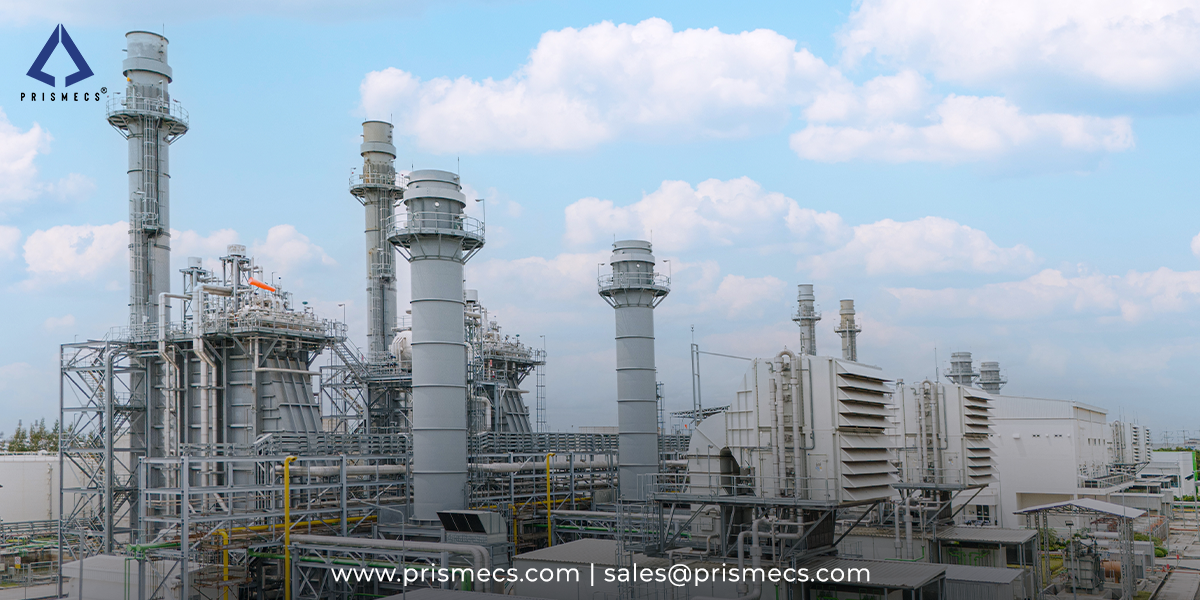
Dual-Fuel Gas Turbines: How Gas-and-Liquid Fuel Flexibility Works
A dual-fuel gas turbine switches from natural gas to diesel at load, but most failures start in idle oil lines. Get transfer steps and coking fixes be...
Power Utilities
18 minutes read
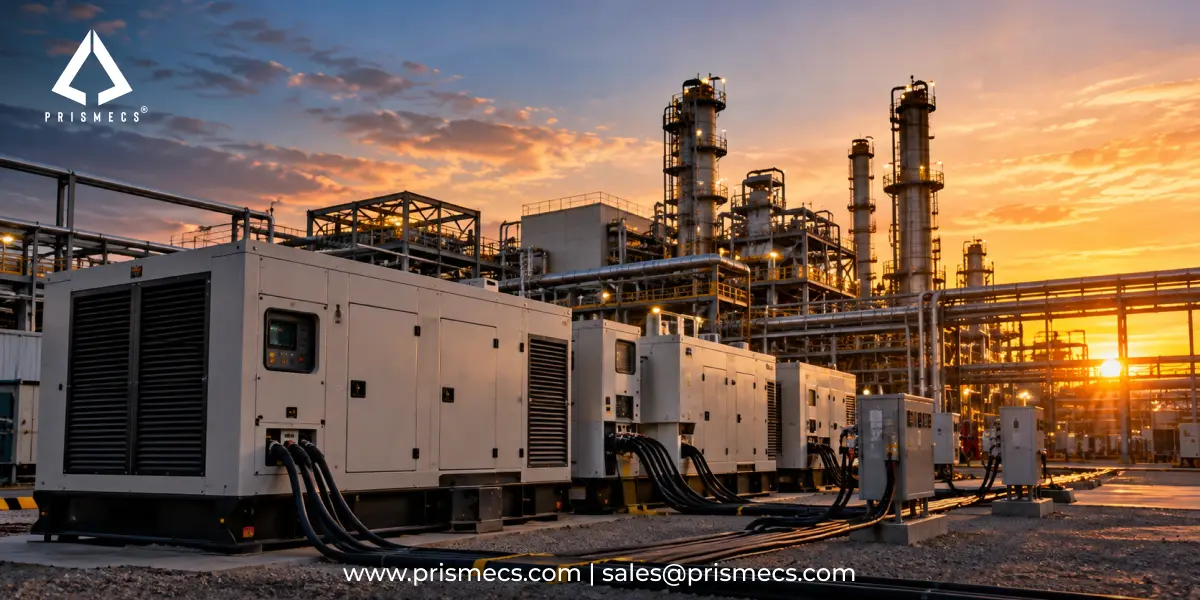
Temporary and Bridge Power for Industrial Facilities: When and How to Use It
Planning bridge power past 12 months? Under EPA rules your generators may be stationary from day one. Check Tier 4, NSPS KKKKa and SPCC triggers befor...
Gas Turbines
16 minutes read
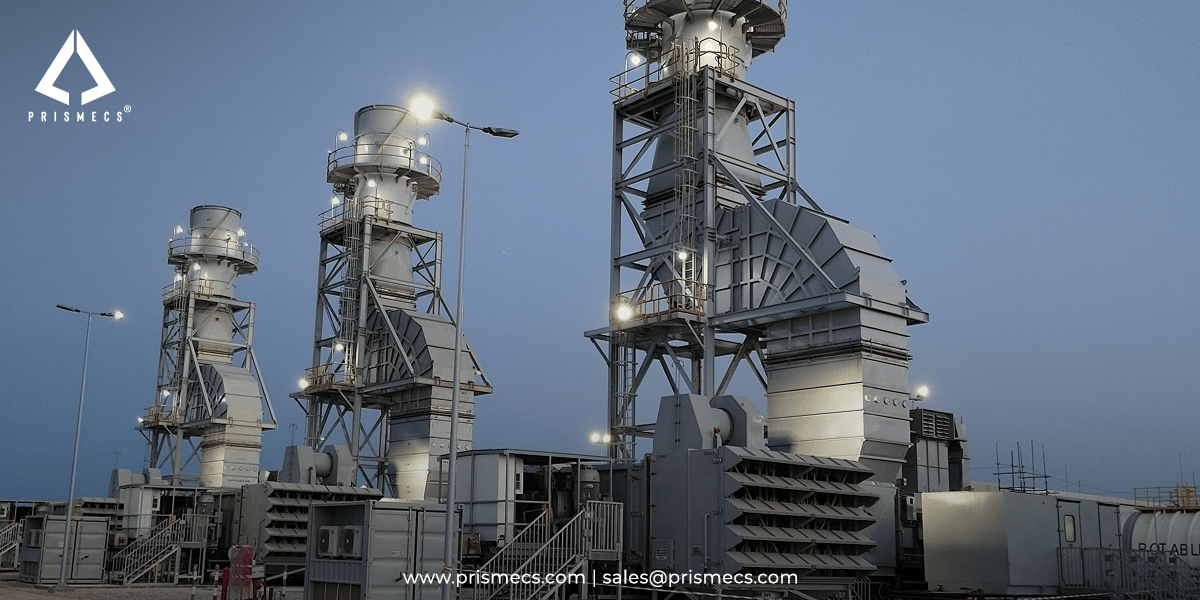
What Is a Mobile Gas Turbine Power Plant? TM2500-Class Units Explained
A mobile gas turbine power plant is a transportable power generation system designed to add electrical capacity faster than a conventional permanent p...
Power Utilities
20 minutes read
Fast-Track Power Plants Deployment: How to Reach Speed to Power in Under 12 Months
Fast-track power plant deployment can hit first power in weeks. See real TM2500 timelines from permitting to COD, proven in Oman and Taiwan. Plan your...