A power plant feasibility study is a structured engineering and commercial assessment that determines whether a proposed power project is technically viable, commercially competitive, and practical to execute. It evaluates generation technology, site conditions, fuel supply, grid connection, regulatory requirements, capital and operating costs, and project risk before major investment decisions are made.
Assess Project Feasibility. Identify Risks. Make Informed Decisions.
Power Project Scoping, Feasibility Studies, and Technical Assessment Services
Prismecs provides power project scoping, feasibility studies, and technical assessments covering technology selection, site evaluation, fuel and grid analysis, CAPEX/OPEX estimation, and commercial modeling to assess overall project viability and risks.
Engineering-Led Project Scoping and
Feasibility Assessment
Power project owners need to define project requirements, compare available generation technologies, and determine technical and commercial viability before committing capital. Without a clear project scope and reliable cost estimates, they risk- selecting unsuitable solutions, underestimating investment requirements, and facing delays during project development.
Prismecs addresses these challenges through structured power project scoping and independent feasibility studies, evaluating site conditions, fuel supply, grid interconnection, permitting, and project costs.
Our evaluations help project teams and lenders understand technical trade-offs, investment requirements, and key project constraints before making major financial commitments.
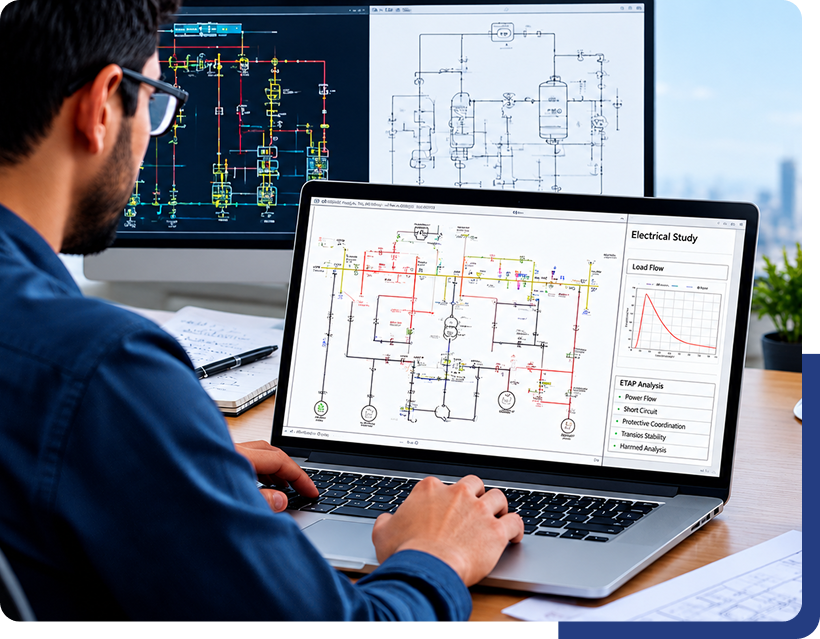
What Our Project Scoping and Feasibility Studies Cover
Prismecs defines project requirements and evaluates the technical, commercial, site, and infrastructure factors that determine whether a power project can be developed and operated as planned.
We define project objectives, confirm net MW output, evaluate load profiles, and compare generation technologies. Options are assessed for site-corrected output, heat rate, emissions, redundancy, and future expansion.
Our desktop study and site assessment review land ownership, easements, terrain, drainage, available geotechnical information, and environmental constraints to identify site risks and further investigation needs before detailed engineering.
We assess gas pressure, flow rate, quality, supply reliability, pipeline capacity, metering, treatment, CNG/LNG virtual pipeline alternatives, and storage logistics to determine fuel availability, cost, and project impacts.
Our grid study assesses point of interconnection, voltage level, load flow, fault levels, protection, metering, synchronization, upgrades, zoning, environmental impact, emissions, noise, and approvals to identify project requirements.
We review configuration, operating history, maintenance records, known defects, equipment condition, remaining useful life, electrical obsolescence, spare parts availability, and equipment suitability for future use.
We develop preliminary CAPEX and OPEX estimates, fuel and operating-cost assumptions, project schedules, and lifecycle economics appropriate to the project stage. Key assumptions, exclusions, uncertainties, and sensitivities are documented so the owner can compare options consistently.

How Prismecs Scopes and Evaluates Power Projects
Prismecs follows a structured approach to define project requirements, establish a clear scope, and evaluate technical options, site constraints, and commercial viability before detailed engineering begins.

What Sets Prismecs Apart in Project Scoping and Feasibility Assessment
Prismecs combines independent engineering judgment with practical project experience to assess what is technically feasible, commercially viable, and operationally achievable for each project.
OEM-Neutral Technology Evaluation
We are not tied to a single equipment manufacturer. Our engineers evaluate gas turbines, reciprocating engines, linear generators, BESS, and hybrid configurations strictly on technical merit, site suitability, and total lifecycle cost, giving you an unbiased technology recommendation.
Complete Project Scope Beyond Equipment
Prismecs defines the complete power project scope beyond generation equipment, covering site access, fuel infrastructure, grid connections, balance-of-plant, permitting, and logistics. This helps identify overlooked requirements before they affect project cost or schedule.
Regulatory and Compliance Considerations
Prismecs evaluates applicable environmental, safety, permitting, grid interconnection, and technical requirements as part of the feasibility and technical assessment. We identify regulatory constraints early and incorporate them into project planning, cost estimates, schedules, and risk assessments.
Bankable Deliverables for Financing and Investment
Our bankable feasibility studies present verified assumptions, identified data gaps, sensitivity analysis, and key project risks. This provides lenders and investors with the technical and commercial information needed to assess project viability, financing requirements, and investment decisions.
Identify Project Constraints Before Execution
Fuel supply limitations, grid connection delays, and permitting requirements are identified before procurement begins. Resolving these constraints early helps confirm project readiness, reduce costly redesign, avoid schedule overruns, and limit unexpected costs after contracts are signed.
Engineering Continuity from Study Through Execution
Prismecs supports projects beyond feasibility with owner’s engineering, EPCM, installation, commissioning, and operations services. Following Prismecs' feasibility study, engineering knowledge carries directly into project delivery, reducing information gaps, handover risks, and rework.
Industries We Serve
Prismecs provides power project scoping, feasibility studies, and technical assessments across various industries that depend on reliable power infrastructure.

Data centers
Enabling Reliable, Scalable Infrastructure for Critical Operations
Explore More

E-Mobility
Empowering the Future with Electrified Mobility
Explore More
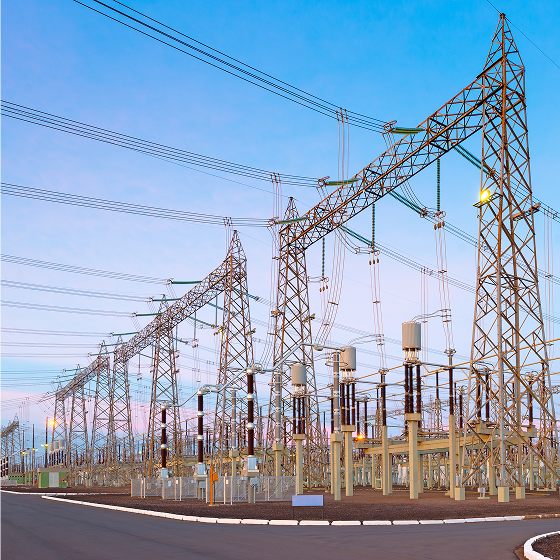
Power & Utilities
Ensuring Reliable, Efficient Solutions for Energy Infrastructure
Explore More

HEALTHCARE
Powering Healthcare with Uninterrupted Energy Solutions
Explore More

oil & gas
Ensuring Uninterrupted Power Operations Across Oil & Gas Phases
Explore More
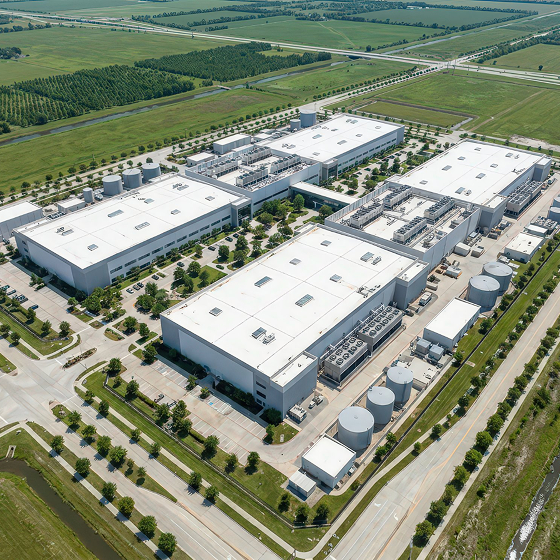
Commercial & Industrial
Scalable Power Solutions for Uninterrupted Operations
Explore More
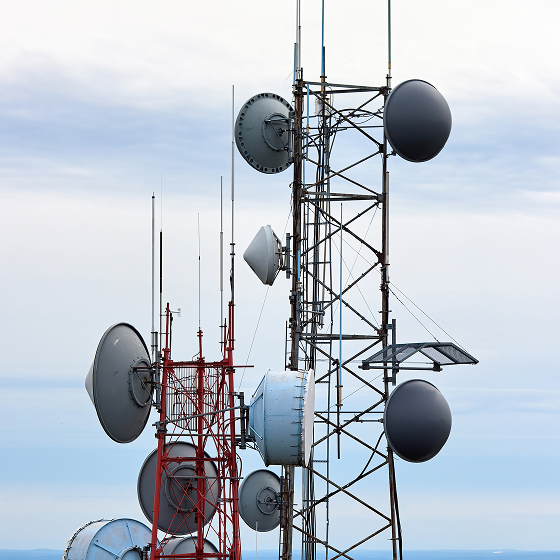
Telecommunications
Empowering Smooth Connectivity with Scalable Communication Solutions
Explore More

Metals & Mining
Enhancing Efficiency and Sustainability in Mining Operations
Explore More
Frequently Asked Questions
Power project scoping defines a project's objectives, generation capacity, operating requirements, technology options, site needs, and key infrastructure interfaces. It establishes the initial project scope and informs subsequent feasibility studies, cost estimates, schedules, and execution planning.
An energy feasibility study typically includes power requirement analysis, technology and configuration comparison, power plant site assessment, fuel supply evaluation, grid and permitting analysis, CAPEX and OPEX estimation, LCOE analysis, project schedule, and risk assessment. The scope adjusts based on the project type, complexity, and whether the study must meet lender requirements.
A bankable feasibility study is prepared to the level of technical and commercial rigor that financial institutions require before committing project financing. It includes independently verified assumptions, sensitivity analysis across key project variables, documented data gaps, and transparent risk assessment with mitigation strategies. Lenders use it to confirm that a project can generate sufficient revenue to service debt.
The cost of a feasibility study varies based on project size, technology type, site complexity, and the level of assessment required (desktop study, prefeasibility, or full bankable feasibility study). Prismecs scopes and prices each engagement based on your specific project requirements. Contact our team with your project details for a tailored proposal.
The project owner or developer typically funds the feasibility study, often as part of early project development costs. It is needed before committing equipment procurement, detailed engineering, or financing applications. For acquisitions, a technical due diligence study is required before finalizing the purchase of existing generation assets.
Power project scoping typically delivers a defined project scope, generation capacity requirements, technology options, site and infrastructure requirements, preliminary cost estimates, key constraints, and an initial project schedule. These deliverables establish the basis for feasibility studies and subsequent engineering decisions.
A grid interconnection study evaluates the technical requirements for connecting a power plant to the electrical grid, including the point of interconnection, voltage level, load flow and fault level analysis, protection requirements, and expected utility upgrade timelines. Prismecs includes grid interconnection assessment as a standard component of our power project feasibility study scope.
Need to Know Whether Your Power Project Is Worth Building?
Prismecs combines power project scoping and feasibility assessment to help your team define project requirements, compare technical options, and evaluate commercial viability before committing capital. Our engineers will assess your site conditions, fuel supply, grid connections, technology options, and project economics to provide the technical and commercial insights needed to support informed investment decisions.