Sizing starts with the load and resilience assessment: required kW or MW, duration, critical versus non-critical classification, motor starting, load steps, and redundancy level. Emergency power system cost then follows configuration, fuel arrangement, and commercial terms. That is why Prismecs prepares a quote based on a site and load assessment rather than a standard rate card, helping ensure the proposed system reflects actual site conditions.
Power That Works When the Grid Doesn’t
Emergency Power Solutions for Critical Facilities and Rapid Deployment
Prismecs engineers, deploys, and operates critical, temporary, and emergency power systems for industrial sites worldwide. From load assessment through commissioning, every system is configured around your actual electrical requirements.
The Gap Between a
Generator and a System
When the grid fails, the generator usually starts, but supporting systems can still fail. Transfer switches may not be tested under actual site loads; motor-starting surges can trigger protection trips. A rental yard just delivers equipment but does not manage the complete power-transfer system.
Prismecs takes responsibility for the complete power system, configuring generation, fuel supply, transfer systems, and operating support.
Every system is built around your load, reliability target, and deployment date to keep power running during grid outages.
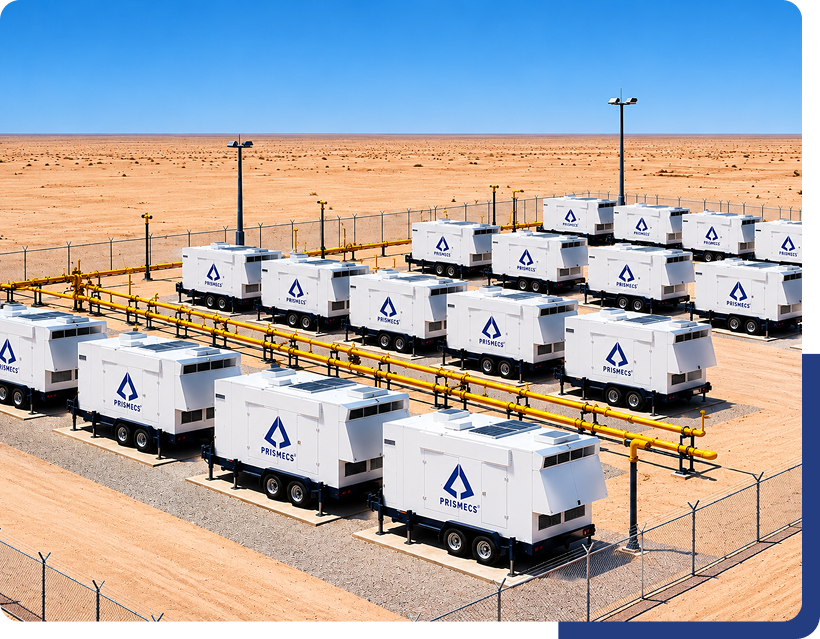
Critical and Emergency Power, From Planning to Operation
Every deployment starts with the load. Prismecs scopes generation, distribution, protection, controls, and fuel systems as one integrated system, matched to operating requirements and reliability targets.
Critical and Healthcare Power
Prismecs provides prime, standby, and redundant power configurations with ATS, paralleling, and load-priority controls. These systems support island operation and staged restoration, while meeting applicable NFPA, NEC, and AHJ requirements.
Healthcare Deployment Packages
Prismecs provides standardized healthcare packages built around linear generators and natural gas gensets, with integrated ATS, protection, remote monitoring, and optional BESS in modular, low-noise, reduced-emission units.
Data Center Standby Power
Prismecs engineers standby capacity around UPS bridge time, N+1 or 2N redundancy, and load-bank testing. Systems support Tier III and Tier IV availability, with transfer and load-acceptance testing before the power plant is placed into operation.
Temporary and Bridge Power
Prismecs provides planned power capacity for construction, commissioning, shutdowns, delayed grid connections, and seasonal peaks. Mobile generation, transformers, switchgear, protection, BESS, UPS, and load banks are deployed as one coordinated installation.
Emergency Response Power
Prismecs begins with a rapid load and site assessment before mobilization. Response plans cover blackout recovery, staged restoration, and replacement power, supported by 24/7 field crews and logistics coordination to support emergencies.
Fuel, Emissions, and Acoustics
Prismecs plans PRMS and virtual-pipeline (CNG/LNG) fuel supply around runtime, emergency reserves, emissions limits, enclosure requirements, and site constraints. Replenishment logistics are planned before deployment to maintain fuel continuity.
How Prismecs Delivers Emergency Power
A structured process keeps every deployment aligned from the first site call through handover or continued operation.
The Equipment Behind the Uptime
Prismecs aligns equipment selection and deployment with project requirements, site conditions, and specifications.
Prismecs builds ready-to-deploy healthcare packages around linear generator systems and compact natural-gas gensets. Packages include integrated ATS, protection, controls, remote monitoring, optional BESS, and modular distribution. These systems suit hospitals and dense urban sites where conventional diesel installations may not fit. Modular footprints, lower noise, and reduced emissions place critical capacity closer to the load, supporting essential circuits with island operation and staged restoration.
Prismecs provides prime and standby configurations using pipeline gas or virtual-pipeline CNG/LNG. Systems include PRMS, metering, and fuel-continuity planning to support extended runtime and emergency reserves.
Prismecs provides containerized power solutions and mobile units with transformers, switchgear, cables, and temporary distribution. These systems support bridge power, substation support, and construction-phase supply.
BESS and UPS systems bridge the transfer gap and carry transient loads during source transitions. They also support island-mode and reduce reciprocating-engine runtime during partial-load conditions.
Prismecs provides automatic transfer, paralleling, and load-priority controls with metering, synchronization, and utility interfaces. Every transfer scheme is tested under load before the system enters service.
Load banks verify transfer, island-mode, and load-acceptance performance during commissioning and at scheduled intervals afterward. System readiness is verified rather than assumed.
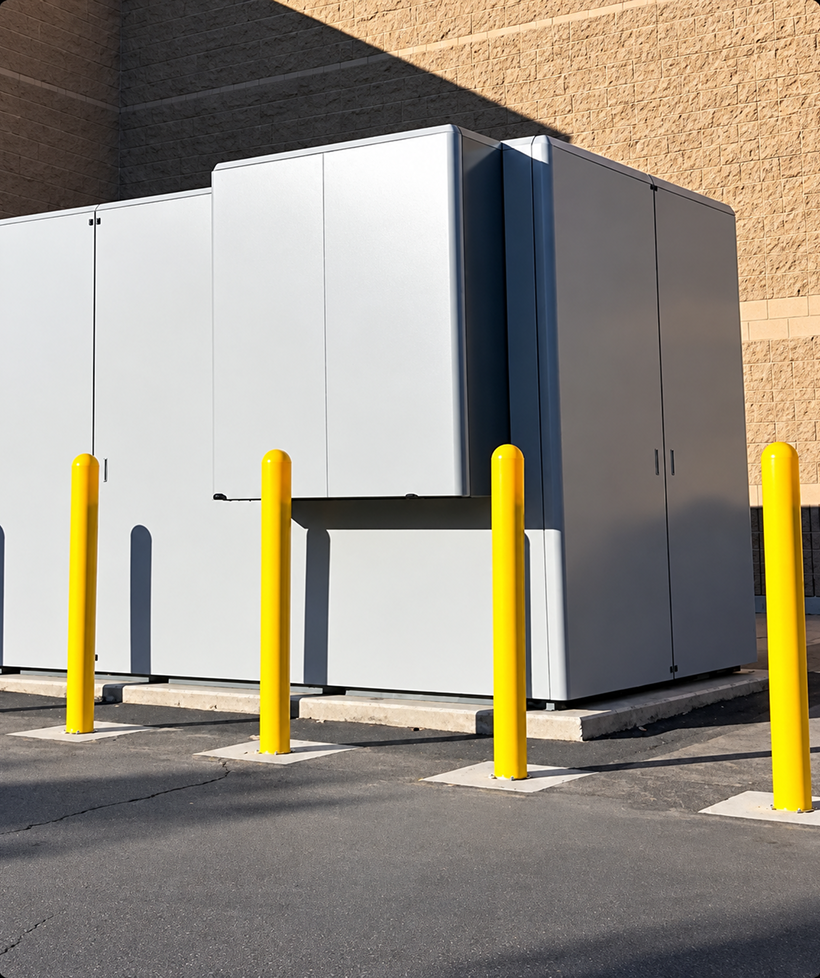
Why Critical Facilities Turn to Prismecs When Power Matters Most
Emergency power is measured by how well it performs when needed most. Prismecs engineers each deployment as a complete system, designed to transfer power, support load, and maintain fuel continuity.
A Complete Power System
Generation, ATS, paralleling, protection, distribution, and fuel are engineered as one electrical system, sized around your actual load steps and transients. The complete system is tested together before being placed into operation.
Built for Sensitive Environments
Natural-gas gensets, Linear Generators and optional BESS provide low-noise, reduced-emission power for space-constrained sites. Equipment is selected and enclosed for environments where diesel exhaust, vibration, and sound levels are restricted.
Designed Around U.S. Requirements
Projects are developed around applicable U.S. requirements, including NEC and NFPA codes and AHJ requirements. System design, installation, and testing are coordinated with the facility-specific regulations of each jurisdiction.
Tested Before It Matters
Every deployment starts with load classification, motor-starting and transient review, redundancy checks, and failure analysis. Transfer and load acceptance are tested before operation; verifying performance before outage puts it to the test.
Support Through the Full Deployment
Prismecs mobilizes, installs, tests, and operates the system, then manages extension, purchase, permanent integration or controlled demobilization. Support continues beyond commissioning through the next stage of the project.
Industries We Serve
Prismecs delivers emergency power solutions tailored to the critical loads, operational demands, and continuity requirements of each industry we serve.

Data centers
Enabling Reliable, Scalable Infrastructure for Critical Operations
Explore More

E-Mobility
Empowering the Future with Electrified Mobility
Explore More
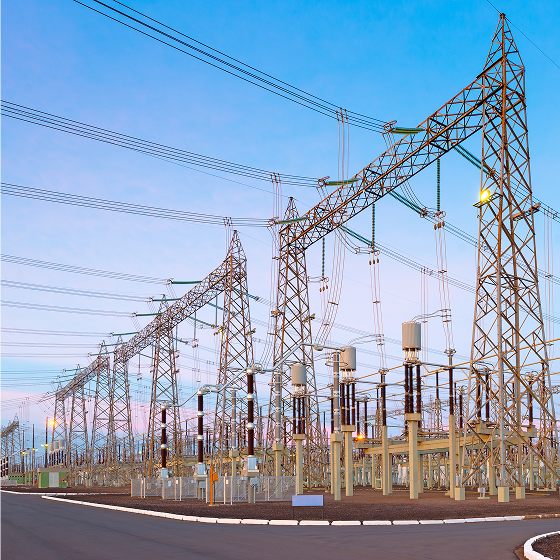
Power & Utilities
Ensuring Reliable, Efficient Solutions for Energy Infrastructure
Explore More
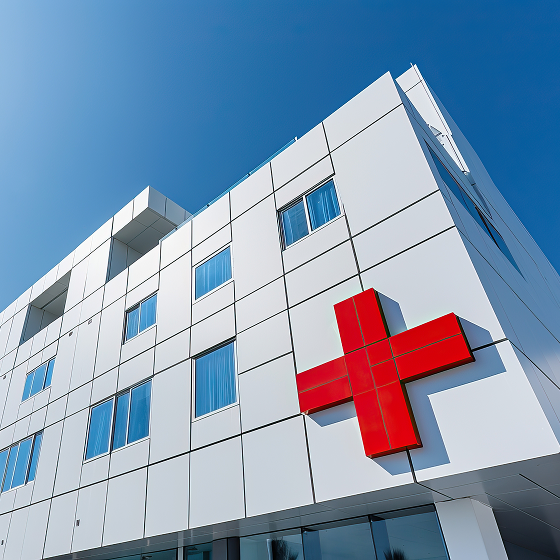
HEALTHCARE
Powering Healthcare with Uninterrupted Energy Solutions
Explore More

oil & gas
Ensuring Uninterrupted Power Operations Across Oil & Gas Phases
Explore More
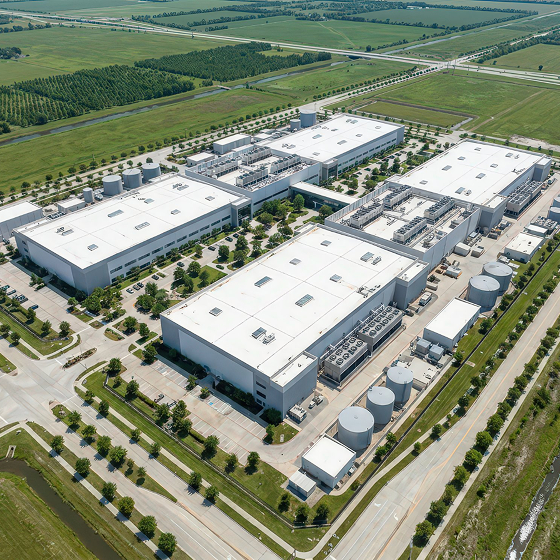
Commercial & Industrial
Scalable Power Solutions for Uninterrupted Operations
Explore More
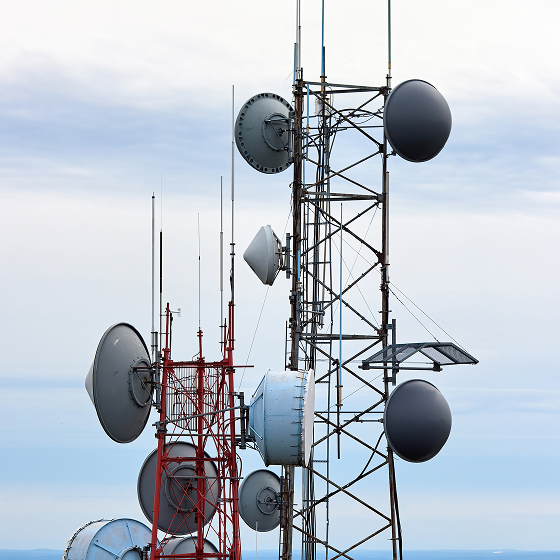
Telecommunications
Empowering Smooth Connectivity with Scalable Communication Solutions
Explore More

Metals & Mining
Enhancing Efficiency and Sustainability in Mining Operations
Explore More
Frequently Asked Questions
Prismecs conducts a load and site assessment before confirming a deployment date based on equipment availability, site access, and installation requirements. For active emergencies, 24/7 response support is available.
Critical power keeps essential data center systems operating during utility interruptions. It typically includes UPS systems, standby generation, automatic transfer, distribution, and redundancy designed to maintain power to IT loads without disrupting availability or planned operations.
Yes. Capacity can be delivered through short- or long-term rental, equipment leasing, lease-to-own arrangements, or fully managed services that include operations and maintenance (O&M).
Yes, Prismecs can configure healthcare power systems to meet applicable NFPA and NEC codes and coordinate with the authority having jurisdiction (AHJ) on local requirements and approvals. Systems can include automatic transfer, load-priority controls, and staged restoration.
Is Your Emergency Power Ready Before the Outage?
Prismecs helps prepare your facility for unexpected outages with reliable emergency power tailored to your operational needs. Bring Prismecs your load, site requirements, and target date, and we’ll scope a 24/7 emergency power solution around your needs.