It starts with the performance data. Prismecs assesses the unit against a corrected baseline to identify whether fouling, combustion performance, fuel conditions, or equipment wear is driving the loss, then recommends the recovery path that fits the actual condition.
Recover the Output. Cut the NOx Emission.
Gas Turbine Performance Optimization and Emissions Reduction
Prismecs helps gas turbine operators recover lost megawatts and reduce NOx emissions through compressor washing, DLN tuning, and advanced SCR integration, while diesel-to-gas conversion can use CNG or LNG wherever needed.
The Engineering Behind
Performance Recovery
Gas turbine output erodes gradually as compressor fouling builds, combustion drifts, inlet filters load up, and ambient conditions pull performance below nameplate ratings. Most operators can see this degradation on their monitoring screens but cannot identify the cause of the loss.
Prismecs identifies the cause by establishing a corrected performance baseline and determining what compressor washing, DLN tuning, and fuel-system work can recover. Recovery is then executed and tested against that baseline.
If baseline testing confirms worn turbine hardware is causing output loss, Prismecs recommends repairs to restore generation capacity.
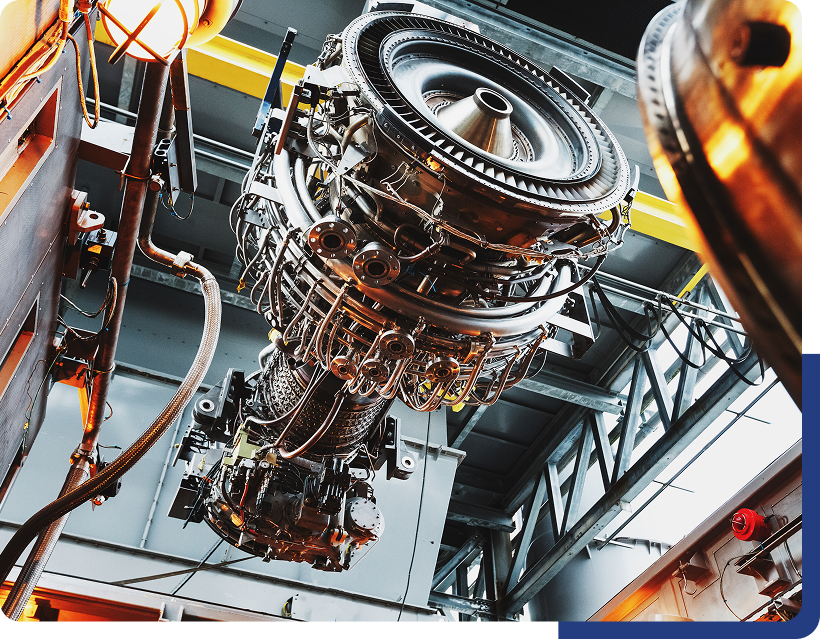
What Gas Turbine Performance and Emissions Recovery Includes
Prismecs manages gas turbine programs covering assessment, recovery, tuning, emissions, and fuel systems, coordinating engineering, OEMs, specialists, contractors, and field execution under one managed scope.
Output and Heat Rate Assessment
Prismecs tests turbine performance against ISO reference conditions, reviews operating history, and analyzes degradation to pinpoint underlying performance losses accurately. This shows what is causing the loss, what can be recovered, and what requires repair.
Compressor Washing Systems
Prismecs provides skids for OEM-compliant online and offline water washing. Inlet and discharge parameters are trended to assess degradation and wash timing, while effluent quality, flow, pressure, temperature, and OEM permissives are controlled throughout the washing and rinsing process.
DLN Combustion Tuning
Prismecs supports DLN combustion tuning using operating data, emissions, and combustion dynamics. Fuel splits and approved control settings are adjusted across the load range while monitoring NOx, CO, flame stability, and flashback risk within OEM limits for stable operation.
SCR and Emissions Integration
Prismecs delivers SCR integration covering catalyst selection, reactor sizing, ammonia or urea dosing, injection grid design, duct modifications, and emissions monitoring. Systems are sized around NOx, exhaust flow, temperature, outlet limits, and back pressure for reliable emissions control.
Fuel Conversion and Virtual Pipeline
Prismecs supports diesel-to-gas and dual-fuel conversions, subject to OEM compatibility and fuel-system, combustion, and controls modifications. Scope can include PRMS, fuel-quality assessment, and CNG or LNG virtual pipelines, with storage and replenishment planned around operating requirements.
Post-Recovery Verification
Prismecs verifies performance improvements through reliability and corrected performance testing against the agreed baseline. Emissions are verified before final handover, with updated drawings and test records provided as a documented proof of the completed work.
How Prismecs Recovers Gas Turbine Performance
A structured recovery process keeps assessment, engineering, execution, and verification aligned from the initial corrected baseline through proven results.
The Equipment Behind the Recovery
Prismecs is OEM-agnostic and specifies equipment based on technical merit and project requirements. Design approvals, component-life decisions, and warranty responsibilities remain with the OEM or specialist.
Prismecs supplies external online and offline compressor washing skids for aeroderivative, heavy-duty, and industrial gas turbines. Systems can include dedicated water and detergent tanks, pumps, dosing equipment, and required wash connections. Existing OEM wash provisions are reviewed before integration, and the skid is configured to meet the applicable water quality, flow, pressure, and operating requirements for each turbine.
Dry Low NOx (DLN) combustion tuning includes fuel-split and reference-temperature optimization, along with combustion dynamics monitoring. The work is performed with OEM or authorized specialist support on DLN-equipped gas turbines.
Selective catalytic reduction (SCR) reactors and catalyst supply are provided through specialist partners. The scope also includes ammonia or urea reagent systems, and exhaust tie-ins engineered to stay within allowable back-pressure limits.
CEMS upgrades and reporting integration are configured to meet your site’s operating permit and applicable regulatory requirements. The scope also supports EPA compliance and emissions reporting where required.
Filtration upgrades, inlet cooling, fogging systems, and auxiliary improvements help protect the compressor section. These measures also recover output lost to reduced air density in high-ambient conditions.
Prismecs supports gas fuel systems including PRMS, gas treatment, and fuel-system modifications for dual-fuel and diesel-to-gas conversion. Where pipeline gas is unavailable, CNG or LNG virtual pipeline solutions can be integrated with storage, delivery, and replenishment planned around the site’s demand and operating profile.
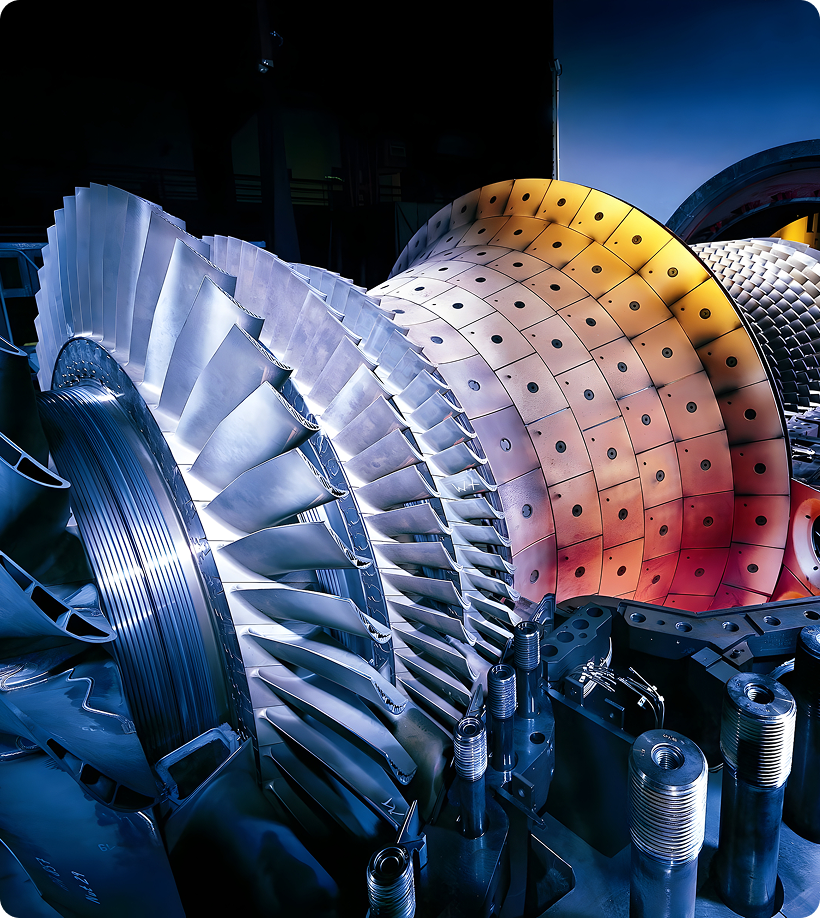
What Sets Prismecs Apart
Prismecs uses operating data, performance trends, and field experience to identify turbine degradation, define recovery needs, and verify results against the agreed baseline.
Measured Before Promised
Corrected output and heat rate are tested against actual site conditions before any scope is proposed, so Prismecs only quotes for recovery that the machine can realistically deliver.
Fouling Separated from Wear
Prismecs reviews corrected performance data and operating trends to identify losses from compressor fouling, combustion conditions, or turbine hardware, then determines the appropriate recovery action.
OEM-Aligned Turbine Tuning
DLN combustion tuning is executed with OEM or authorized specialist support. Combustion hardware limits, control-software approvals, and warranty responsibilities remain with the appropriate OEM or authorized specialist.
Emissions Engineered as One System
Prismecs integrates DLN combustion, SCR design, catalyst selection, reagent dosing, fuel quality, and emissions monitoring as one system. Engine-out NOx is established first, then SCR is sized to meet set emissions limits.
U.S. Compliance Built into the Scope
Prismecs considers applicable U.S. emissions, environmental, and operating requirements when planning turbine recovery, including permit limits, emissions monitoring, and fuel requirements.
Built for Operating Fleets
Prismecs O&M teams operate gas turbine power plants long after handover. That operational experience shapes how recovery scopes are planned: around real maintenance windows, real fuel conditions, and real permit cycles.
Industries We Serve
Prismecs supports gas turbine applications across diverse industries, tailoring recovery, emissions, and fuel solutions to each sector’s operating conditions and technical needs.

Data centers
Enabling Reliable, Scalable Infrastructure for Critical Operations
Explore More

E-Mobility
Empowering the Future with Electrified Mobility
Explore More
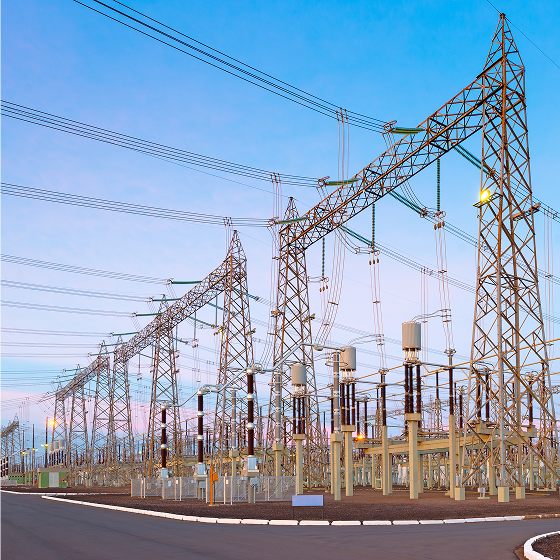
Power & Utilities
Ensuring Reliable, Efficient Solutions for Energy Infrastructure
Explore More

HEALTHCARE
Powering Healthcare with Uninterrupted Energy Solutions
Explore More

oil & gas
Ensuring Uninterrupted Power Operations Across Oil & Gas Phases
Explore More
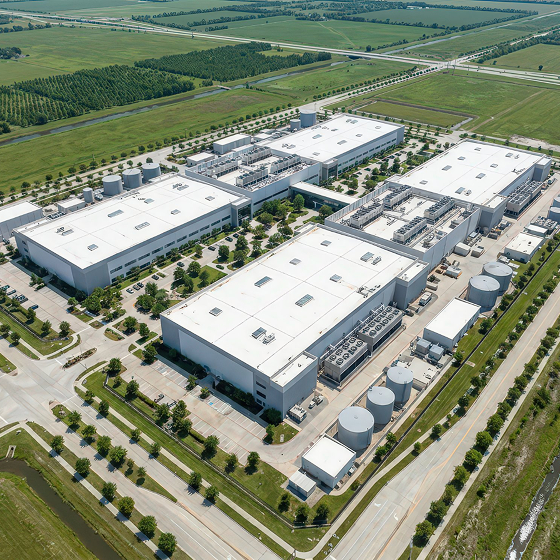
Commercial & Industrial
Scalable Power Solutions for Uninterrupted Operations
Explore More

Telecommunications
Empowering Smooth Connectivity with Scalable Communication Solutions
Explore More
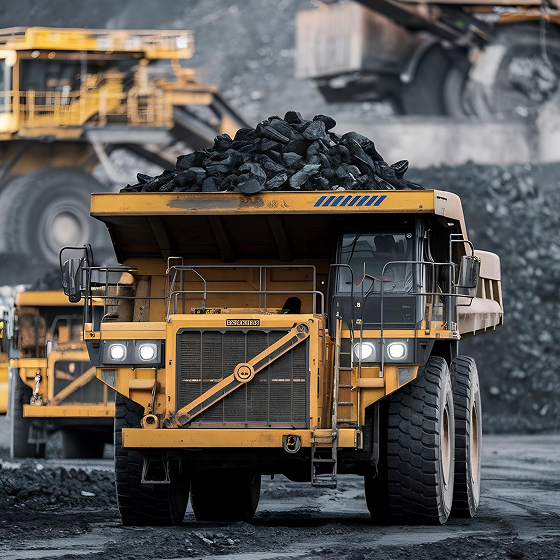
Metals & Mining
Enhancing Efficiency and Sustainability in Mining Operations
Explore More
Frequently Asked Questions
The recovery depends on the amount of compressor fouling and the overall condition of the turbine. Prismecs compares corrected performance data before and after washing to determine the actual improvement. Compressor washing can recover losses caused by fouling, but it will not restore performance lost due to turbine hardware degradation or other mechanical issues. For this reason, expected recovery is assessed from unit condition and operating data rather than a generic percentage.
Prismecs confirms fuel quality and combustion health, tunes the DLN combustion system with OEM support to reach its design NOx floor, and then integrates SCR and reagent balance-of-plant only for the reduction the combustor cannot deliver on its own. Emissions monitoring is upgraded alongside, so EPA compliance is demonstrated through verified data rather than assumed from equipment ratings.
SCR is required when the turbine’s achievable engine-out NOx, after proper combustion tuning, is still above the site’s permit limit. It is also used on units with diffusion combustion systems or where operating and fuel conditions make combustion control alone insufficient. Prismecs establishes the expected NOx level across the operating range, then sizes the SCR system for the remaining reduction while considering back pressure, reagent consumption and ammonia slip.
Yes. Prismecs supplies and integrates external compressor washing skids for aeroderivative and heavy-duty gas turbines. The skid includes a dedicated water tank, detergent tank, pumps, dosing arrangement, and required connections for the washing process. Existing OEM wash connections, nozzle arrangement, and operating requirements are reviewed before integration, and washing is carried out in line with the applicable OEM limits and procedures.
Get a Clear Path to Turbine Performance Recovery
Send us the operating data, the last performance test, and the permit limits; we will tell you what is recoverable, what needs repair, and what each path is worth before you commit to either option.