A power plant relocation follows a staged sequence: condition assessment and baseline documentation, planned dismantling with tagging and matchmarking, and preservation tailored to the transport route. Heavy haul coordination and receiving-site verification follow before reinstallation begins. The power plant is recommissioned through first fire, synchronization, and a reliability run, with performance verified against the agreed acceptance criteria and the corrected pre-move baseline.
Move the Power Plant. Prove its Performance.
Power Plant Relocation for Turbines and Complete POWER Generating Assets
Prismecs delivers end-to-end power plant relocation services for gas turbines and power generating assets. It manages pre-move condition surveys, dismantling, preservation, transport, reinstallation, and recommissioning against the performance baseline.
What Prismecs Controls from
One Site to Another
Physical equipment typically remains intact, yet alignment records, control configurations, cable schedules, protection settings, and undigitized drawings are often lost. Improper storage can cause moisture ingress, insulation degradation, and corrosion. Rigging contractors and engine shops may handle transportation without addressing the whole power plant.
Therefore, Prismecs manages the complete power plant relocation, starting with a condition survey and baseline, then completing preservation, reinstallation, and recommissioning before a reliability run.
If turbine condition, obsolete controls, or site requirements make relocation uneconomic, Prismecs identifies the issue and recommends an alternative before relocation begins.
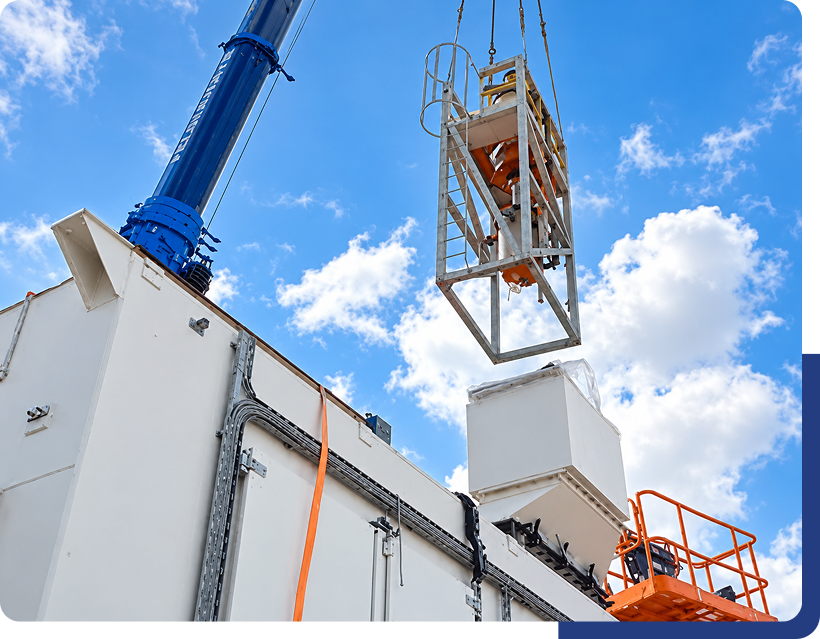
What a Power Plant Relocation Covers
Power plant relocation follows six documented engineering stages, covering the complete asset from survey and dismantling through transport, reinstallation, and recommissioning.
Survey, Tagging, and Baseline Records
Prismecs surveys equipment condition, tags components, and records matchmarks while collecting operating data, drawings, cable schedules, and control backups. Missing records are reconstructed or verified to establish a reliable baseline.
Dismantling Sequence
Prismecs establishes a planned disconnection and removal sequence with responsibility matrices, permits, lockout/tagout controls, and hold points. Each system is isolated, documented, and released through a controlled reverse-commissioning process.
Preservation and Export Packing
Prismecs tailors preservation to the transport route, climate exposure, and storage duration. Rotors, generator windings, control cabinets, and electrical equipment receive protection matched to their vulnerabilities, with inspections maintained through delivery.
Heavy Haul and Lifting
Prismecs coordinates road, rail, barge, and sea transport with route surveys, heavy-lift plans, crane selection, and customs documentation. Rotors, generators, and transformers drive the overall logistics and lifting plan to ensure safe handling.
Receiving-Site Verification
Layout and interface verification is completed at the new site before equipment ships, covering foundations, grid connection, frequency, voltage, fuel supply and pressure, ambient conditions, and utility tie-ins for site readiness.
Reinstallation and Recommissioning
Prismecs completes reinstatement checks, functional testing, energization, first fire, synchronization, and progressive loading through a reliability run. Performance is verified against the pre-move corrected baseline to confirm expected performance.
How Prismecs Relocates a Power Plant
A structured delivery process keeps engineering, logistics, and site work aligned from the first condition assessment through the reliability run at the receiving site.
Power Generation Assets Prismecs Relocates
Prismecs is OEM-agnostic and relocates generating assets based on technical merit. Design approvals, component-life decisions, and warranty responsibilities remain with the applicable OEM or a qualified specialist partner.
Aeroderivative units such as LM6000, LM2500, and LM2500XPRESS can be relocated as complete packages, including turbine, generator, enclosure, inlet and exhaust systems, controls, and electrical equipment. Engine condition is assessed using operating history, maintenance records, inspection data, and borescope inspection where applicable. Equipment is preserved for transport and storage per route, environmental conditions, duration, and OEM requirements, then reinstalled, recommissioned, synchronized, and reliability-tested against acceptance criteria and the corrected pre-move baseline.
Trailer-mounted aeroderivative units such as TM2500 are designed for redeployment and can be relocated with their auxiliaries, electrical distribution, controls, and fuel interfaces. At the receiving site, Prismecs coordinates reinstallation, system integration, testing, and commissioning.
Relocation of larger frames, such as GE Frame 5, 6B, 7E, 9E, and other equivalent classes, requires rotor handling, foundation verification, heavy-lift planning, and coordinated transport of major components. Prismecs manages full BOP reinstallation, alignment, system integration, and recommissioning at the receiving site.
Solar Titan, Taurus, Centaur, and other turbine packages can be relocated as modular or skid-mounted units, with controls, enclosures, and auxiliaries preserved within scope. Reciprocating gensets are relocated with electrical, protection, and control systems and recommissioned on-site. BESS relocation follows OEM transport requirements, state-of-charge limits, and applicable dangerous-goods requirements before reinstallation and recommissioning at the receiving site.
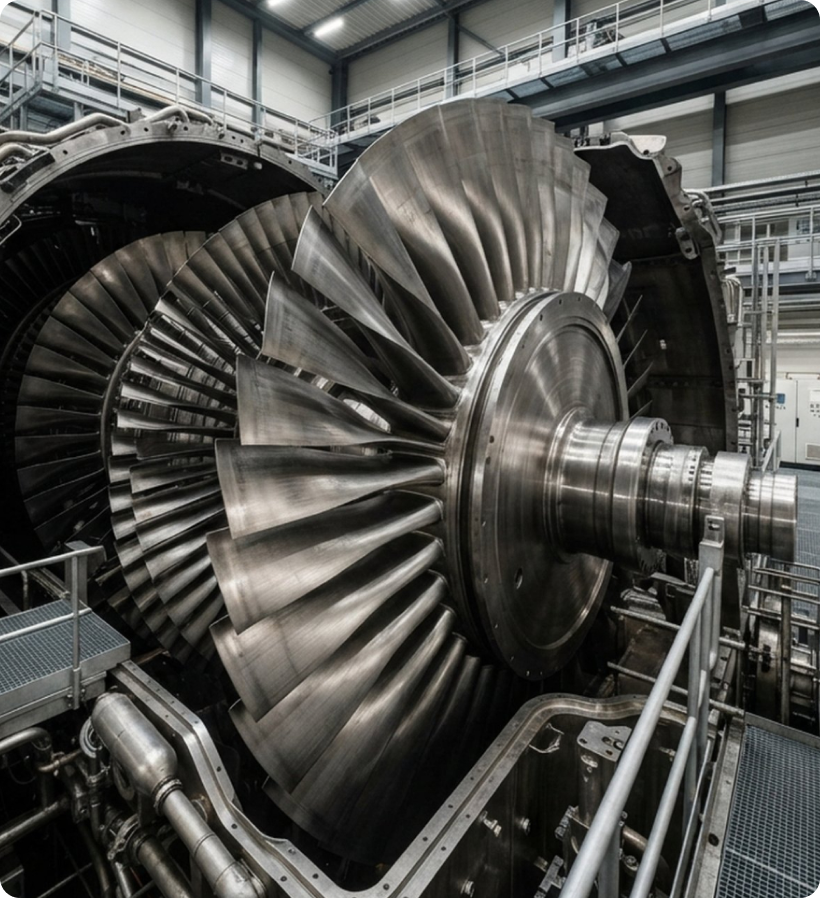
What Sets Prismecs Apart
Prismecs manages relocation as a complete power plant move, with documented baselines, verified receiving sites, compliance planning, and performance testing from dismantling through recommissioning.
Documented Before Dismantling
Prismecs surveys tags and match-marks major equipment, interfaces, cables, piping, and removable components before dismantling. Drawings and records are collected, while missing information is reconstructed from verified field data.
Integrated Power Plant Relocation
Prismecs moves the power generating asset as a complete power plant, including the turbine package, generator, transformers, switchgear, controls, and auxiliaries, defining the full scope upfront to clarify the overall project requirements.
Receiving Site Verified First
Equipment does not arrive before the receiving site is ready. Grid code, frequency, fuel type, and pressure are confirmed before shipment. Ambient derating, foundations, and utility interfaces are also verified to ensure site readiness.
U.S. Compliance Covered Before the Move
Prismecs reviews applicable U.S. codes, permits, and regulatory requirements before relocation begins. Electrical, emissions, environmental, grid interconnection, and site-specific requirements are incorporated into the project's scope to address compliance from the start.
Performance Proven at the New Site
The power plant must demonstrate full performance after relocation rather than simply starting successfully. Success is measured by first fire, synchronization, and a reliability test run against the pre-move baseline.
Built for Complex Logistics Markets
Prismecs supports power plant relocation that requires detailed transport planning, customs coordination, local workforce mobilization, and receiving-site logistics. Each move is planned around the equipment, route, site conditions, and project schedule.
Industries That Relocate Power Plants
Prismecs supports power generation projects across diverse industries, tailoring plant relocation and redeployment solutions to each sector’s capacity needs, site conditions, and operating requirements.

Data centers
Enabling Reliable, Scalable Infrastructure for Critical Operations
Explore More

E-Mobility
Empowering the Future with Electrified Mobility
Explore More
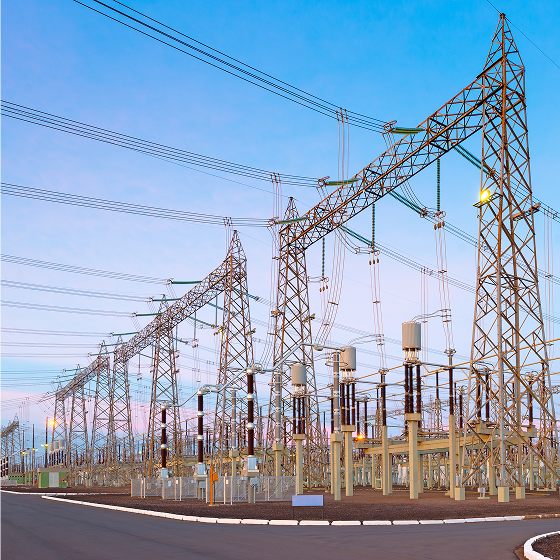
Power & Utilities
Ensuring Reliable, Efficient Solutions for Energy Infrastructure
Explore More

HEALTHCARE
Powering Healthcare with Uninterrupted Energy Solutions
Explore More

oil & gas
Ensuring Uninterrupted Power Operations Across Oil & Gas Phases
Explore More
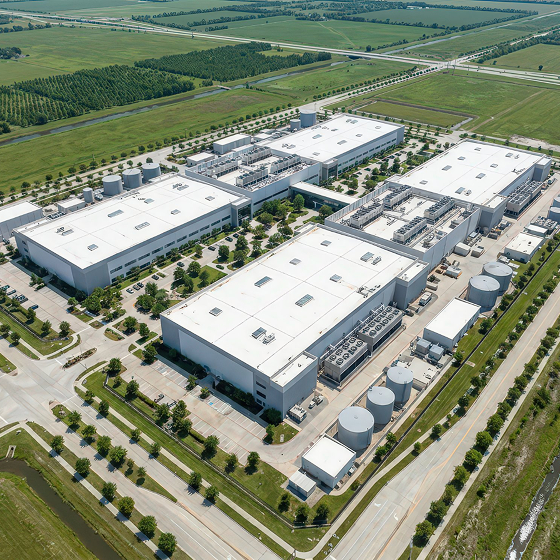
Commercial & Industrial
Scalable Power Solutions for Uninterrupted Operations
Explore More
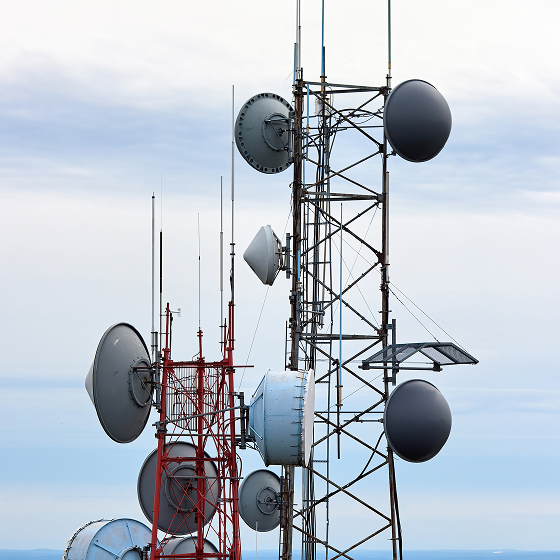
Telecommunications
Empowering Smooth Connectivity with Scalable Communication Solutions
Explore More

Metals & Mining
Enhancing Efficiency and Sustainability in Mining Operations
Explore More
Frequently Asked Questions
It depends on asset condition, distance, receiving-site readiness, and the scope of required upgrades. A relocation typically makes sense when the turbine has substantial remaining life. It can also make sense when the schedule is tighter than current OEM lead times allow. The receiving site must also be compatible without major infrastructure work. When the asset needs extensive overhaul, emissions upgrades, or controls replacement, a new build may deliver better long-term value. Prismecs evaluates both paths in the feasibility study and recommends the option that makes engineering and commercial sense.
Prismecs can manage the relocation of a complete generating plant, balance-of-plant (BOP) systems, or selected equipment packages, depending on the project scope and receiving-site requirements.
Prismecs develops equipment preservation plans based on the transport route, climate, and expected storage duration. Rotors, generator windings, control cabinets, and electrical equipment receive appropriate protection against environmental exposure and damage. Export packing and scheduled inspections help maintain equipment condition throughout transport and storage until reinstallation, reducing the risk of damage and costly repairs at the receiving site.
Prismecs can relocate aeroderivative gas turbines such as LM6000, LM2500, and LM2500XPRESS. The scope can also include mobile units such as TM2500 and heavy-frame turbines such as GE Frame 5, 6B, 7E, and 9E. Industrial packages such as Solar Titan, Taurus, and Centaur can also be relocated. Reciprocating gensets and BESS containers are also supported. Each relocation includes the associated electrical, controls, and balance-of-plant systems.
Price is driven by asset condition, scope, plant size, distance, and transport mode. It is also affected by receiving-site readiness and any frequency, fuel, or emissions upgrades required. The recommissioning effort needed to reach the documented baseline also affects cost. Prismecs quotes from the survey and receiving-site verification rather than a per-megawatt figure. This ensures the estimate covers the specific power plant being relocated.
Ready to Relocate Your Power Plant?
Send us the plant records, latest performance data, and receiving-site details. Prismecs will assess the relocation scope, confirm site and compliance requirements, and define the expected output at the new location, so you know what the move requires and what the plant should deliver before work begins.