
Choosing the right oil and gas company for a project partnership is the single decision with the most leverage over your project's cost, schedule, and lifetime asset performance. The evaluation should weigh five factors: relevant asset experience, integrated execution capability, supply chain control, safety and compliance record, and financial resilience, in that order.
The stakes justify the rigor. In EY's landmark study of 365 oil and gas megaprojects, 64 percent exceeded their budgets and 73 percent missed schedule deadlines, with completion costs averaging 59 percent above initial estimates. Even after final investment decision, when scope should be locked, 65 percent of projects faced overruns averaging 23 percent above the approved FID budget. Those failures rarely trace to geology or commodity prices. They trace to execution: misaligned engineering, procurement bottlenecks, and partners working outside their real area of competence.
This guide gives project owners, developers, and investors a practical framework for selecting a partner that delivers predictable outcomes instead of becoming another overrun statistic.
Why Partner Selection Decides Project Outcomes
Partner selection determines whether engineering, procurement, and construction move as one coordinated system or as three loosely connected activities. Nearly every major overrun starts as a misalignment between design decisions, equipment availability, and field readiness, and the right partner exists to prevent exactly that.
Independent Project Analysis research on upstream megaprojects found that only 22 percent could reasonably be called successful. The unsuccessful majority averaged 33 percent real cost overruns, 30 percent schedule slip, and, most damaging of all, 64 percent suffered serious production attainment problems in their first two years of operation. That last figure deserves attention: a badly executed project keeps costing you long after mechanical completion, through unplanned downtime, early equipment failures, and maintenance burdens designed in during the engineering phase.
The same research identified the strongest predictor of outcomes: the quality of front-end work. Projects with weak front-end definition see overruns mount rapidly, while disciplined early engineering keeps costs controllable. This is why the partner you choose matters most before construction begins. A capable oil and gas company earns its fee in the planning phase, building schedules from real procurement lead times rather than theoretical assumptions, coordinating with OEMs early, and identifying installation and logistics constraints before they become schedule events.
The commercial mechanics follow the same logic. Disciplined partners enforce cost control through structured sourcing, contract governance, and continuous tracking of how engineering changes ripple into financial impact. Scope drift, last-minute procurement, and rework are not random misfortunes. They are symptoms of a partner without an integrated execution framework.
The Five-Factor Evaluation Framework
A rigorous partner evaluation tests five factors in sequence: asset experience, execution integration, supply chain capability, safety and compliance record, and financial resilience. A weakness in any one of them can undo strength in the other four.
The sections below explain how to test each factor in practice.
Matching Asset Experience to Project Scope
The first and hardest filter: has this company delivered projects like yours, on assets like yours, at a scale like yours? Institutional experience with your specific asset class predicts success better than any brochure claim, because it means the partner anticipates constraints instead of discovering them on your schedule.
Every oil and gas company operates within a real competence zone, whatever its marketing says. Some excel at upstream facilities, others at midstream infrastructure, gas processing, or power generation assets serving oilfield operations. Project complexity varies enormously between offshore drilling support, onshore gas processing, refinery upgrades, and fast-track power deployments, and expertise in one does not transfer automatically to another.
Three verification steps separate genuine experience from claimed experience:
- Ask for named reference projects on comparable assets, then contact the owners. Focus questions on change orders, schedule recovery, and how the partner behaved when problems surfaced.
- Probe the team, not just the company. Institutional experience lives in people. Ask which engineers and field leads from the referenced projects will work on yours.
- Test constraint anticipation. Present a real complexity from your project, such as brownfield tie-ins, remote logistics, or compressed commissioning windows, and evaluate whether their response reflects lived experience or generic methodology.
Regional experience belongs in this filter too. A partner familiar with your jurisdiction's permitting processes, labor market, and supply routes removes an entire category of delay risk, which matters doubly for cross-border and emerging-market projects where regulatory navigation can consume more schedule than construction itself.
Scale Versus Specialization: The Question Most Owners Get Wrong
Corporate scale does not predict execution performance. For complex assets such as gas turbine installations, modular power systems, and fast-track energy deployments, specialized partners with integrated engineering, procurement, and field capability consistently respond faster and hold schedules tighter than large generalists.
The megaproject failure statistics cited earlier come overwhelmingly from projects run by the industry's largest names, which demonstrates the point: balance sheet size and global brand did not prevent 64 percent of those projects from blowing their budgets. Execution effectiveness comes from focus, hands-on field experience, and short decision chains.
The practical trade-off looks like this. Large organizations offer broad market presence, deep bench strength, and bonding capacity for the very largest programs. Specialized companies offer direct accountability, senior attention on your project rather than a junior team two layers down, faster mobilization, and the flexibility to adapt when field conditions change. For most projects below the giant-megaproject threshold, and especially for schedule-critical work like power infrastructure and equipment-intensive installations, specialization wins.
The right question is never "how big is this company?" It is "how well does this company's proven execution capability align with my specific scope?"
Financial Strength in an Execution Context
Evaluate financial capability as execution endurance, not corporate size. What matters is whether the partner can fund long-lead equipment commitments, sustain capital-intensive execution phases, and absorb market volatility without your project's schedule paying the price.
Global spending context makes this concrete. The International Energy Agency's World Energy Investment tracking put upstream oil investment near 535 billion dollars in 2025, with natural gas production investment around 365 billion dollars. Competition for equipment, fabrication slots, and skilled labor at that spending level means a financially strained partner loses its place in OEM queues, and your project inherits the delay.
Three tests reveal execution-relevant financial strength:
- Long-lead liquidity. Can the partner commit to turbine, compressor, and transformer orders on manufacturer timelines without waiting on your milestone payments to clear?
- Multi-phase consistency. Has the company sustained delivery across multi-year, multi-phase programs, or does its track record show projects that stalled mid-stream?
- Volatility absorption. How did the partner perform through recent commodity downturns? Companies that held teams and commitments together through price cycles demonstrate the discipline your project needs.
Prioritize execution transparency over public disclosures. A partner willing to give you project-level visibility into procurement commitments, subcontractor management, cost tracking, and milestone reporting is showing you the accountability structure your capital will live inside. One that offers only corporate-level assurances is asking you to take execution on faith.
Safety, Environmental, and Regulatory Performance
A partner's safety and compliance record is a preview of its operational discipline everywhere else. Companies that run rigorous safety systems almost always run rigorous procurement, scheduling, and quality systems too, because all of them come from the same management culture.
Safety culture and workforce competence. Look past the framed certificates to the operating evidence: recordable incident rates trending down over multiple years, mandatory competency training with records to prove it, and field-level risk assessment built into daily work rather than reserved for audits. Serious incidents stop projects, invite regulatory scrutiny, and poison stakeholder relationships. A strong safety record is a leading indicator of schedule reliability.
Environmental responsibility. Emissions management, responsible waste handling, and environmental monitoring have moved from reputational concerns to permitting prerequisites in most jurisdictions. Partners with established environmental management systems clear approvals faster and maintain the community relationships that keep long-duration projects welcome where they operate.
Regulatory consistency. Oil and gas projects run through complex, evolving regulatory frameworks, and documentation failures can freeze work as effectively as any technical problem. Partners with mature compliance systems keep permits, audits, and reporting current without stealing momentum from execution. Ask candidates directly how they have handled permitting in your specific jurisdiction and what their audit history looks like. Confident, specific answers signal real systems; vague assurances signal future delays.
Supply Chain and Procurement Capability
Supply chain capability now separates partners who hold schedules from partners who explain slips. With long-lead equipment such as turbines, compressors, and transformers carrying multi-year lead times, procurement has become an engineering discipline that must start at project kickoff, not after design freeze.
Three capabilities define a supply-chain-strong partner:
Procurement strategy and cost control. Disciplined sourcing, competitive bidding, and rigorous contract management protect budgets from the volatility that erodes them. Structured procurement governance keeps price certainty without sacrificing technical quality, and it prevents the last-minute spot-market purchases that quietly destroy project economics.
Vendor networks and OEM access. Direct relationships with equipment manufacturers and vetted service providers translate into earlier delivery slots, faster technical issue resolution, and honest lead-time intelligence. Partners who broker everything through intermediaries add cost, add delay, and subtract accountability at every link.
Long-lead equipment management. The best partners synchronize manufacturing timelines with construction milestones from day one, sequence installation around confirmed delivery dates, and maintain fallback options, including access to ready-to-ship equipment inventory, when a delivery threatens the critical path. Ask every candidate how they would handle a six-month slip on your project's most critical component. The quality of that answer tells you more than any capability statement.
Ten Questions to Ask Before You Sign
Put these to every shortlisted oil and gas company, and weigh the specificity of the answers as heavily as their content:
- Which three delivered projects most closely match our asset type and scale, and can we speak to those owners?
- Who specifically will lead our project, and what did they deliver previously?
- How do you build schedules around real equipment lead times, and what are current lead times for our critical components?
- Walk us through your change order history on a recent comparable project.
- What is your recordable incident rate over the past three years?
- How have you handled permitting in our jurisdiction, and what regulatory delays have you encountered?
- What direct OEM relationships do you hold that are relevant to our equipment list?
- How do you fund long-lead procurement, and does it depend on our payment milestones?
- What project-level reporting will we receive on costs, procurement commitments, and schedule?
- Describe a project where execution went wrong, and what you changed afterward.
A partner who answers all ten with names, numbers, and specifics has the operating maturity your capital deserves. A partner who answers with generalities is showing you what their progress reports will look like.
Key Takeaways
- Partner selection is the highest-leverage decision in an industry where 64 percent of megaprojects exceed budget and 73 percent miss schedule.
- Front-end quality predicts outcomes. The right partner earns their value in planning, building schedules from real procurement lead times and anticipating field constraints early.
- Asset-specific experience beats brand. Verify delivered projects on your asset type, and confirm the actual team, not just the company, carries that experience.
- Specialization usually beats scale. Integrated, focused partners hold schedules tighter than large generalists on complex, schedule-critical work.
- Judge financial strength as execution endurance: long-lead liquidity, multi-phase consistency, and performance through commodity cycles.
- Safety and compliance records preview execution discipline. Strong systems in one area almost always mean strong systems everywhere.
- Supply chain capability is now decisive. Direct OEM access and long-lead equipment planning separate schedule-holders from schedule-explainers.
Conclusion
The oil and gas industry's project track record makes one thing plain: capital, technology, and even corporate scale do not protect projects from overruns. Execution discipline does. The evaluation framework in this guide, asset experience, integrated execution, supply chain control, safety and compliance, and financial endurance, exists to find that discipline before you commit capital, not to discover its absence afterward.
Owners who run this evaluation rigorously, check references on comparable assets, and demand project-level transparency consistently land in the successful minority: projects delivered near budget, near schedule, and built to perform for decades.
Partner With Prismecs for Your Oil and Gas Project
Prismecs delivers integrated execution across the full project lifecycle: engineering and EPCM, disciplined procurement with direct OEM access, installation and commissioning to critical-infrastructure standards, and OEM-agnostic operations and maintenance that protects asset performance long after startup. From gas turbine installations to fast-track power deployments supporting oilfield operations, our teams combine technical depth with the supply chain control that keeps schedules intact.
Call +1 (888) 774-7632 or email sales@prismecs.com to discuss your project requirements.
Frequently Asked Questions
What should I look for when choosing an oil and gas company for a project?
Evaluate five factors in order: delivered experience on your specific asset type, integrated engineering-procurement-construction capability under one accountability structure, supply chain strength including direct OEM relationships, a verifiable safety and compliance record, and financial endurance to fund long-lead equipment. Verify each through named references and project-level evidence, not capability statements.
Why do so many oil and gas projects go over budget?
Industry research shows roughly two thirds of oil and gas megaprojects exceed budget, driven mainly by weak front-end planning, misalignment between engineering and procurement, scope drift, and contractor management failures rather than commodity prices. Projects with disciplined front-end definition and integrated execution partners consistently avoid the worst overruns.
Is a bigger oil and gas company always the safer choice?
No. Most documented megaproject failures occurred under the industry's largest firms, proving scale alone does not deliver. For complex, schedule-critical work such as gas turbine installations and modular power systems, specialized partners with integrated execution capability often respond faster, assign senior teams, and maintain tighter schedule discipline than large generalists.
How do I verify an oil and gas company's track record?
Request named reference projects on assets comparable to yours, then speak directly with those owners about change orders, schedule performance, and problem-solving behavior. Confirm which specific engineers and field leaders from those projects will staff yours, and test the team with a real constraint from your scope during evaluation.
What role does supply chain capability play in partner selection?
A decisive one. Long-lead equipment such as turbines, compressors, and transformers now carries multi-year lead times that gate project schedules. Partners with direct OEM relationships, early procurement planning, and access to ready-to-ship equipment inventory protect the critical path, while partners who broker everything through intermediaries add cost and delay.
How important is regional experience for an oil and gas project partner?
Very important, especially for cross-border and emerging-market projects. Partners familiar with local permitting processes, labor markets, and supply routes remove an entire category of delay risk, maintain stronger stakeholder relationships, and secure approvals faster. Ask candidates for their specific permitting history in your jurisdiction.
How should I evaluate the financial strength of a project partner?
Assess execution endurance rather than corporate size: liquidity to fund long-lead equipment orders without depending on your milestone payments, a record of sustaining multi-phase programs to completion, and demonstrated stability through commodity price cycles. Project-level financial transparency matters more than impressive corporate disclosures.
When should an execution partner get involved in an oil and gas project?
As early as possible, ideally during front-end engineering and design. Research consistently shows front-end quality is the strongest predictor of project success, and early partner involvement aligns schedules with real equipment lead times, surfaces field constraints before they become costs, and prevents the design-procurement misalignment behind most overruns.
Tags: Oil and Gas Company EPC Project Execution Oil and Gas Supply Chain Energy Project Risk Management Long-Lead Equipment Procurement
recent posts
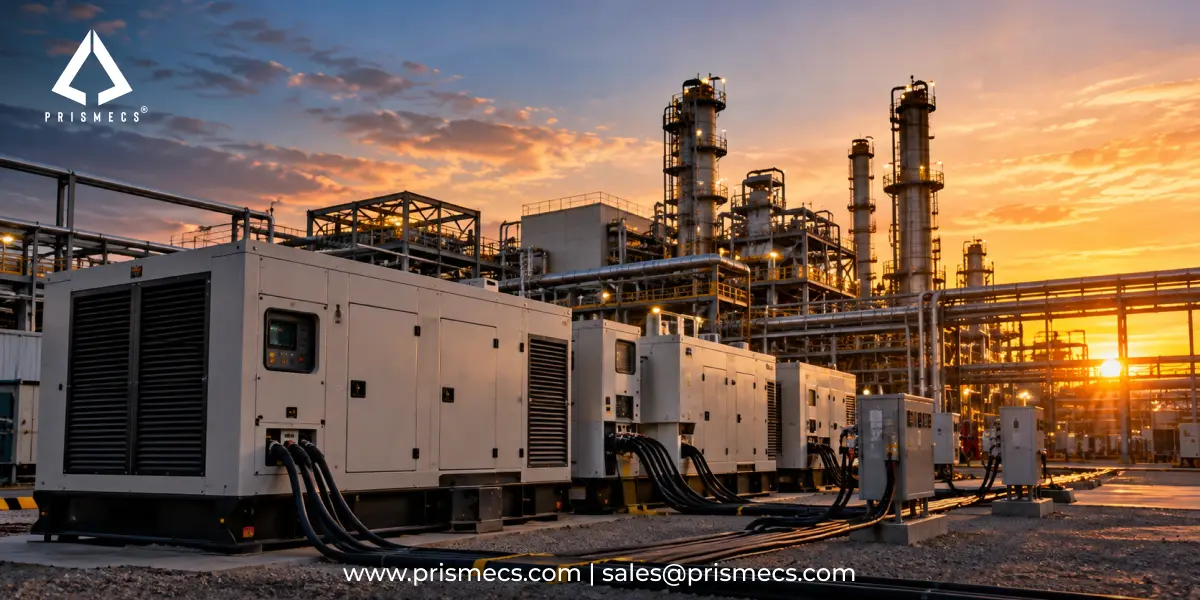
Power Utilities
18 minutes read
Temporary and Bridge Power for Industrial Facilities: When and How to Use It
Planning bridge power past 12 months? Under EPA rules your generators may be stationary from day one. Check Tier 4, NSPS KKKKa and SPCC triggers befor...
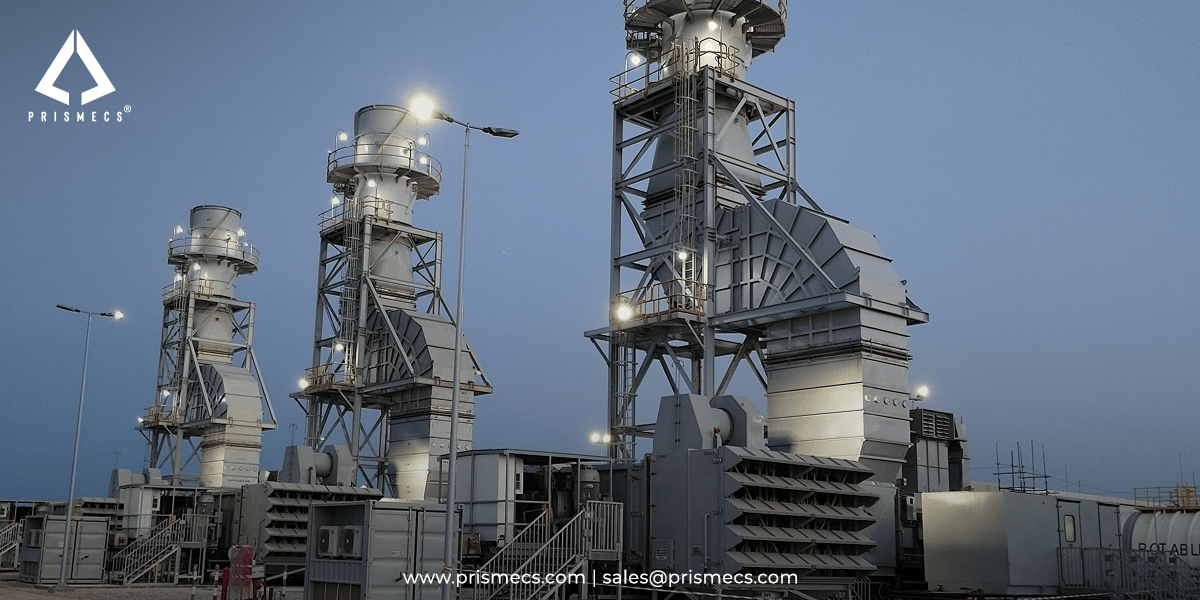
Gas Turbines
16 minutes read
What Is a Mobile Gas Turbine Power Plant? TM2500-Class Units Explained
A mobile gas turbine power plant is a transportable power generation system designed to add electrical capacity faster than a conventional permanent p...
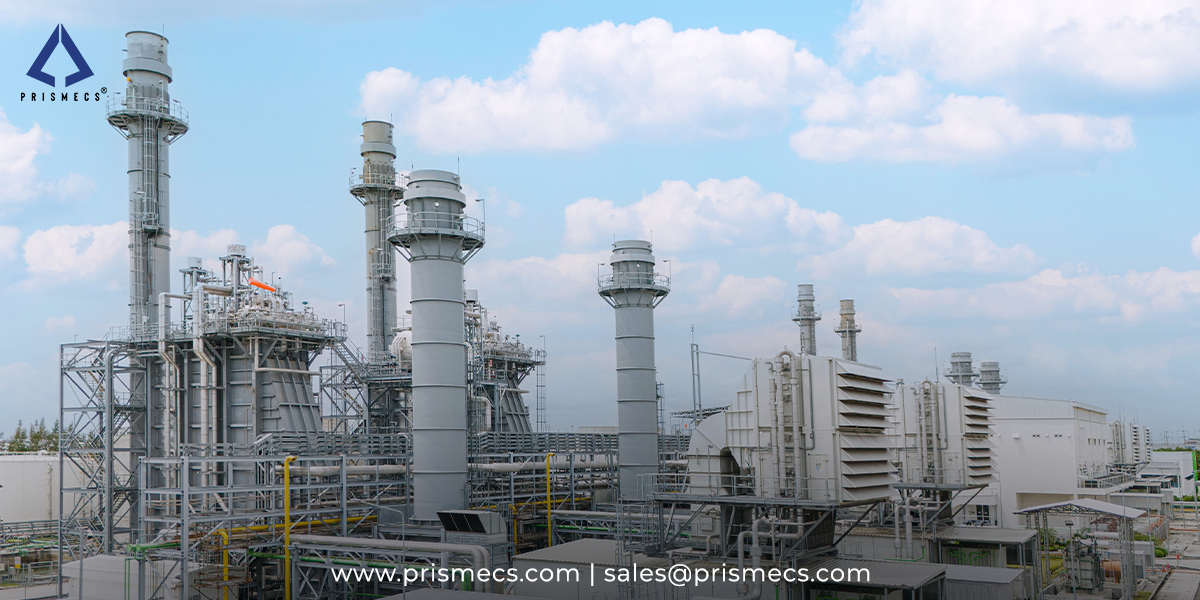
Power Utilities
20 minutes read
Fast-Track Power Plants Deployment: How to Reach Speed to Power in Under 12 Months
Fast-track power plant deployment can hit first power in weeks. See real TM2500 timelines from permitting to COD, proven in Oman and Taiwan. Plan your...

Gas Turbines
11 minutes read
Gas Turbine Outage Planning: Schedule, Scope Rules, and Checklist
Gas turbine outage planning starts 18 months out. Get the T-minus schedule, scope freeze rules, parts readiness gates and checklist. Talk to a Prismec...