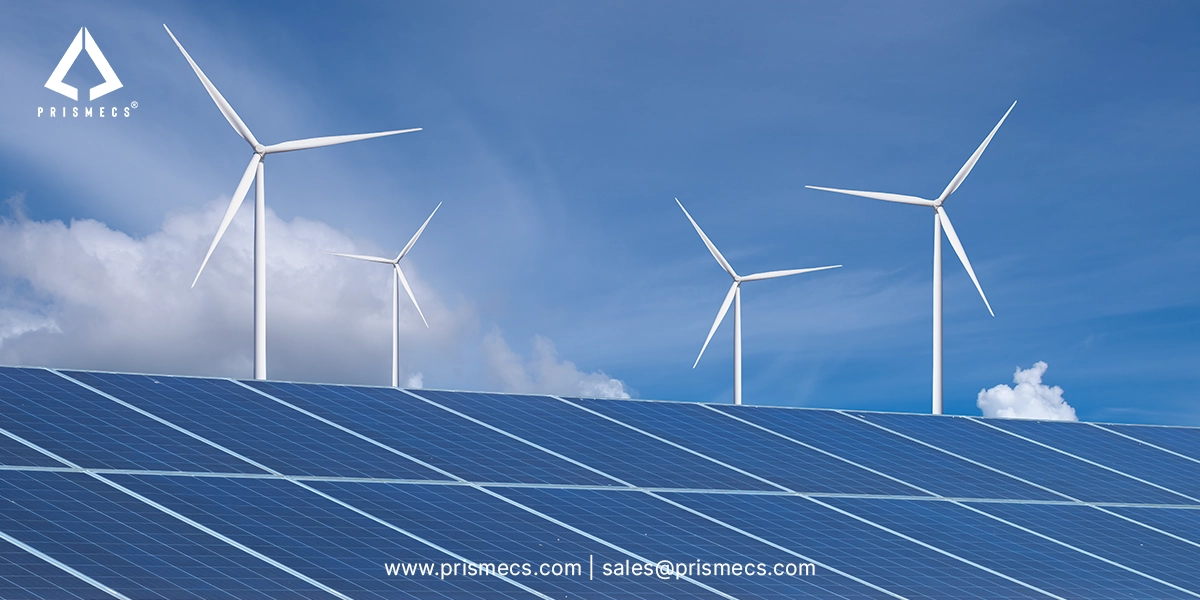
The opportunity in renewable energy development is no longer about access to technology. Solar, wind, and battery storage are proven and cost-competitive. The opportunity now belongs to developers and asset owners who can execute, getting projects through interconnection, supply chains, and commissioning faster than competitors stuck in the queue.
That distinction matters because the numbers have flipped. According to the Lawrence Berkeley National Laboratory's Queued Up report, over 2,060 gigawatts of generation and storage capacity were actively seeking grid connection in the U.S. as of the end of 2025. That is far more capacity waiting in line than the country has ever needed at once. Capital is not the constraint. Technology is not the constraint. Execution is.
This guide breaks down where the genuine opportunities sit across solar, storage, wind, geothermal, hydropower, and hybrid systems, along with the engineering and supply chain realities that determine which projects actually reach commercial operation.
Why Renewable Development Is an Execution Game Now
Renewable development in 2026 rewards speed and integration capability, not just site selection and financing. The projects that succeed are the ones engineered for grid realities from day one, with interconnection strategy, storage pairing, and lifecycle operations planned before ground breaks.
Two data points define the current market.
Deployment is at record levels. The U.S. Energy Information Administration expects capacity additions to hit a record high in 2026, with solar making up 51% of those additions. Developers plan to add 43.4 GW of new utility-scale solar capacity in 2026, a 60% increase over the prior year if realized, alongside 24.3 GW of battery storage and 11.8 GW of wind.
The bottleneck is brutal. LBNL's queue data shows that projects built in 2025 spent a median of more than five years between interconnection request and commercial operation. And historically, only 13% of capacity that submitted interconnection requests between 2000 and 2019 had reached commercial operation by the end of 2024, while 77% was withdrawn.
Read those together and the strategic picture is clear: record demand for new capacity, and a development process that kills most projects that enter it. The gap between those two facts is where the opportunity lives. Developers who de-risk execution through owner's engineering, disciplined procurement, and early O&M planning capture the value that withdrawn projects leave on the table.
Solar: Still the Volume Leader, With a Catch
Utility-scale solar is the largest single opportunity in renewable development by deployment volume, and it will stay that way for the rest of this decade. But margins now depend on what surrounds the panels: storage pairing, interconnection position, and balance-of-plant execution, not the modules themselves.
In 2024, generators added a record 30 GW of utility-scale solar to the U.S. grid, accounting for 61% of capacity additions that year, according to EIA data, and the growth curve has not bent since. The catch: because so much solar is chasing the same grid capacity, standalone solar projects in saturated markets face declining capture prices during midday hours. The economics increasingly favor two configurations:
- Solar plus storage hybrids that shift delivery into evening peaks and firm up the revenue profile
- Behind-the-meter and co-located solar serving industrial loads, data centers, and campuses directly, sidestepping the interconnection queue partially or entirely
Where the money is going: distributed and commercial-industrial solar tied to a specific load. A manufacturer or data center that contracts for on-site generation gets speed and price certainty. The developer gets a creditworthy offtaker without a five-year queue wait. That is why load-sited projects are outcompeting speculative grid-scale positions in several markets.
Battery Storage: The Fastest-Growing Asset Class in Power
Battery storage is the single fastest-growing segment of renewable energy development, because it solves the problem every other renewable creates. Storage converts variable generation into dispatchable capacity, and grid operators now treat it as core infrastructure rather than an accessory.
The growth trajectory tells the story. U.S. battery storage set a growth record in 2024 when power providers added 10.3 GW of new capacity, per EIA figures, and planned battery additions over the coming twelve months total more than 21.5 GW, a further increase of 53%.
Three storage opportunities stand out for developers and asset owners:
- Retrofit storage at existing solar and wind sites, using existing interconnection rights to add capacity without a new queue position. This is often the fastest path to new revenue.
- Standalone storage in congested nodes, capturing arbitrage and ancillary service value where grid constraints create price separation.
- Storage in hybrid new-builds, designing solar, wind, and batteries as one integrated plant with shared infrastructure and a single interconnection.
The execution caveat: storage integration is an engineering discipline, not a bolt-on. Battery systems demand their own commissioning protocols, fire safety design, thermal management, and control system integration with the rest of the plant. Projects that treat storage as an afterthought routinely see commissioning delays and degraded round-trip performance in year one.
Wind: A Selective Opportunity, Not a Broad One
Wind remains a major pillar of the generation mix, but the opportunity in 2026 is selective. It concentrates in repowering existing fleets, strong-resource onshore regions, and long-horizon offshore positions rather than broad greenfield expansion.
Onshore wind additions have run well below solar's pace in recent years, and active wind capacity in U.S. interconnection queues fell 19% in 2025, per LBNL. That is not a death signal. It is a maturity signal. The strongest wind plays now:
- Repowering. First-generation wind farms from the 2000s sit on proven wind resources with existing interconnection. Replacing aging turbines with modern, higher-capacity units can raise output substantially on the same footprint, often the best risk-adjusted return in wind.
- Wind-plus-storage hybrids in regions where wind's overnight generation profile complements solar.
- Offshore, for patient capital. Higher and steadier wind speeds make offshore attractive long term, but marine logistics, specialized vessels, and interconnection complexity make it a game for developers with deep engineering support and long timelines.
For asset owners with existing wind fleets, the nearer-term opportunity is operational: condition monitoring, drivetrain reliability programs, and OEM-agnostic maintenance that extends asset life without OEM service premiums.
Geothermal: The Baseload Renewable Nobody Owns Yet
Geothermal is the most underexploited opportunity in renewable development, because it delivers what solar and wind cannot: continuous, weather-independent generation with capacity factors that rival thermal plants. For buyers who need firm clean power, data centers above all, that is a premium product.
Two tracks matter:
- Power generation in geologically favorable regions, where next-generation drilling techniques borrowed directly from oil and gas are expanding viable sites beyond traditional volcanic zones. This is a natural crossover for teams with oilfield engineering and drilling supply chains.
- Direct-use heat for district heating, greenhouses, and industrial process loads. Lower profile, faster payback, and far less interconnection dependency.
Geothermal's constraint is upfront: resource assessment and drilling risk concentrate cost at the start of the project. The developers succeeding here pair rigorous subsurface engineering with staged capital deployment, often bringing oil and gas execution discipline into a renewable context.
Hydropower: Modernize, Don't Build
The hydropower opportunity in 2026 is almost entirely about existing assets, not new dams. Modernization through new runners, digital governors, upgraded controls, and added pumped-storage capability extracts more flexible capacity from infrastructure that is already permitted, connected, and paid for.
Hydro's strategic value is rising precisely because solar and wind are growing: flexible hydro is one of the cheapest tools for balancing variable generation. Practical opportunities include:
- Turbine and control-system upgrades that lift efficiency and ramping capability at existing plants
- Powering non-powered dams, adding generation to dams built for flood control or navigation
- Small and micro-hydro for remote industrial sites and communities where grid extension costs more than local generation
For engineering teams, hydro modernization looks a lot like the balance-of-plant and controls work done in thermal power: SCADA integration, electrical system upgrades, and reliability engineering applied to a very durable asset class.
Hybrid Systems and Microgrids: Where Integration Expertise Gets Paid
Hybrid power systems, meaning solar, wind, storage, and often gas backup engineered as one plant, are where renewable development is heading, because they solve intermittency at the project level instead of pushing it onto the grid. They are also where engineering-led developers earn margins that pure equipment plays cannot.
The demand driver is load growth that cannot wait. AI data centers, reshored manufacturing, and electrification are creating loads that need firm power on 12 to 24 month timelines, while the median grid-connected project takes over five years from request to operation. The answer the market has converged on: on-site and near-site hybrid generation, often structured as microgrids that can island from the grid entirely.
What makes hybrids genuinely hard, and therefore valuable:
Bridge power belongs in this category too. Fast-deploy gas turbines and reciprocating gensets increasingly serve as the firm layer that lets renewable-heavy projects commit to delivery dates, running hard in early years and then shifting to backup duty as storage and grid capacity catch up. Notably, active natural gas capacity in interconnection queues rose 86% in 2025. The market is pricing in exactly this firming role.
The Real Constraints: What Kills Renewable Projects
Three constraints kill more renewable projects than financing or technology ever do: interconnection, supply chain, and operational readiness. Developers who solve these three early are the ones who convert opportunity into operating assets.
1. Interconnection. The dominant schedule risk in the industry. Beyond the five-year median timeline, late-stage network upgrade cost assignments can destroy project economics after years of development spend. Mitigations that work: acquiring positions with executed interconnection agreements (549 GW of capacity already holds a draft or executed interconnection agreement but has not yet reached commercial operation, and much of it is available to buy), siting at existing plants with interconnection rights, and load-sited projects that reduce grid dependency.
2. Supply chain. Transformers, HV switchgear, and breakers now carry lead times measured in years, not months, and they gate energization no matter how fast construction moves. Winning developers lock long-lead equipment early, qualify multiple vendors, and treat procurement as an engineering function with QA workflows rather than a purchasing task. Access to ready-to-ship transformer and generator inventory has become a genuine competitive weapon when a failure or delay threatens an energization date.
3. Operational readiness. Renewable assets are 30-year commitments won or lost in availability percentages. Projects that plan O&M during design, covering spare parts strategy, condition monitoring, CMMS implementation, and performance guarantees, consistently outperform those that hand commissioning over to an unprepared operations team. This is doubly true for hybrids, where a single weak asset drags the whole plant's revenue.
Key Takeaways
- The renewable opportunity has shifted from technology access to execution speed. Interconnection, supply chain, and commissioning discipline decide winners.
- Solar plus storage is the dominant deployment configuration. Standalone solar in saturated markets faces shrinking capture prices.
- Battery storage is the fastest-growing asset class, with retrofits at existing sites offering the quickest path to new revenue.
- Wind value concentrates in repowering and O&M optimization of existing fleets more than greenfield expansion.
- Geothermal and hydro modernization are underpriced opportunities for firm, flexible clean capacity.
- Hybrid systems and microgrids serve the loads that cannot wait five years for grid connection, the highest-growth demand segment.
- Projects with executed interconnection agreements, secured long-lead equipment, and O&M plans built during design are the ones that reach commercial operation.
Conclusion
Renewable energy development has matured past the question of whether the technology works. The 2,000-plus gigawatts waiting in interconnection queues proves the appetite. The 13% historical completion rate proves that appetite alone builds nothing. The opportunity now belongs to organizations that treat renewable projects as complete infrastructure programs, engineered for the grid they will actually connect to, procured against real lead times, and operated for performance across a 30-year life.
That is a systems-engineering problem, and it favors developers and asset owners who bring power-plant execution discipline into renewable deployment rather than treating panels and turbines as plug-and-play.
Partner With Prismecs on Renewable Energy Development
Prismecs supports renewable and hybrid power projects across the full lifecycle: EPCM and owner's engineering during development, installation and commissioning at delivery, OEM-agnostic O&M through operations, and supply chain support including ready-to-ship transformers and generators when lead times threaten your schedule. Our teams have delivered fast-start power projects on compressed timelines worldwide, including modular plants commissioned in under a year.
Call +1 (888) 774-7632 or email sales@prismecs.com to discuss your project.
Frequently Asked Questions
What is the biggest opportunity in renewable energy development right now?
Battery storage paired with solar is the highest-volume opportunity, while hybrid systems and microgrids serving large loads like data centers offer the strongest margins. Both reward developers who can execute quickly, because grid interconnection delays now exceeding five years for the median project have made speed the scarcest resource in the industry.
Why do so many renewable energy projects fail to get built?
Most failures trace to interconnection delays, unexpected network upgrade costs, and supply chain gaps rather than technology or financing. Historically, only around 13% of capacity that entered U.S. interconnection queues between 2000 and 2019 reached commercial operation. Projects that secure interconnection positions, long-lead equipment, and operations planning early beat those odds significantly.
Is solar still worth developing if the market is crowded?
Yes, but configuration matters. Standalone solar in saturated grids faces declining midday prices. Solar paired with battery storage, or sited directly at industrial and data center loads, maintains strong economics because it delivers energy when and where it is actually worth the most.
What role does natural gas play in renewable energy development?
Gas increasingly serves as firming and bridge capacity within renewable-heavy portfolios. Fast-deploy gas turbines let projects guarantee delivery dates while storage and grid capacity mature, which is why gas capacity in U.S. interconnection queues grew 86% in 2025 even as renewable deployment set records.
How long does it take to connect a renewable project to the grid?
For projects reaching operation in 2025, the median time from interconnection request to commercial operation exceeded five years. Developers shorten this by buying positions with executed interconnection agreements, repowering existing sites that already hold grid rights, or building on-site generation for a specific load.
What is a hybrid renewable energy system?
A hybrid system combines two or more generation and storage technologies, typically solar, wind, batteries, and sometimes gas backup, engineered and controlled as a single plant. Hybrids smooth out intermittency, share interconnection and infrastructure costs, and can deliver firm power that standalone renewables cannot.
Are geothermal projects a good investment for energy developers?
Geothermal offers what few renewables can: continuous baseload generation with high capacity factors, increasingly valued by data centers and industrial buyers needing firm clean power. The risk concentrates upfront in resource assessment and drilling, which is why teams with oil and gas subsurface expertise hold a real advantage.
What should asset owners prioritize when planning renewable O&M?
Plan operations during design, not after commissioning. That means condition monitoring systems, spare parts and long-lead component strategy, CMMS implementation, and clear performance guarantees. OEM-agnostic O&M partners are particularly valuable for hybrid plants, where managing multiple manufacturers' equipment under one maintenance program protects availability across the whole facility.
Tags: Renewable Energy Development Grid Interconnection Strategy Solar and Battery Storage Hybrids Utility-Scale Renewable Projects Renewable Energy Supply Chain
recent posts
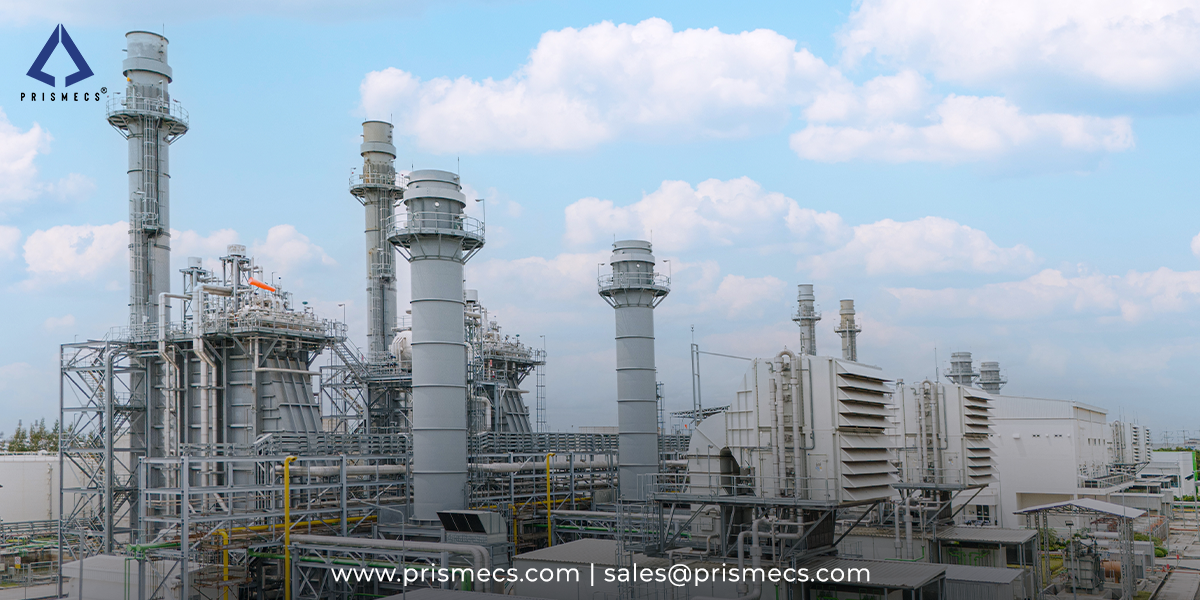
Gas Turbines
19 minutes read
Dual-Fuel Gas Turbines: How Gas-and-Liquid Fuel Flexibility Works
A dual-fuel gas turbine switches from natural gas to diesel at load, but most failures start in idle oil lines. Get transfer steps and coking fixes be...
Power Utilities
18 minutes read
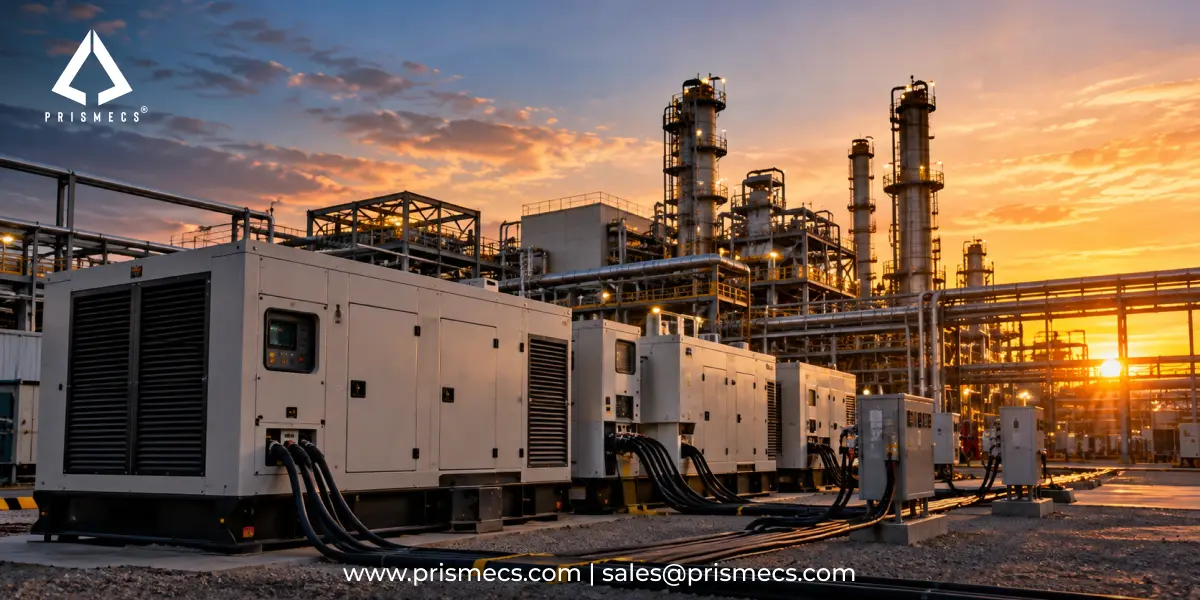
Temporary and Bridge Power for Industrial Facilities: When and How to Use It
Planning bridge power past 12 months? Under EPA rules your generators may be stationary from day one. Check Tier 4, NSPS KKKKa and SPCC triggers befor...
Gas Turbines
16 minutes read
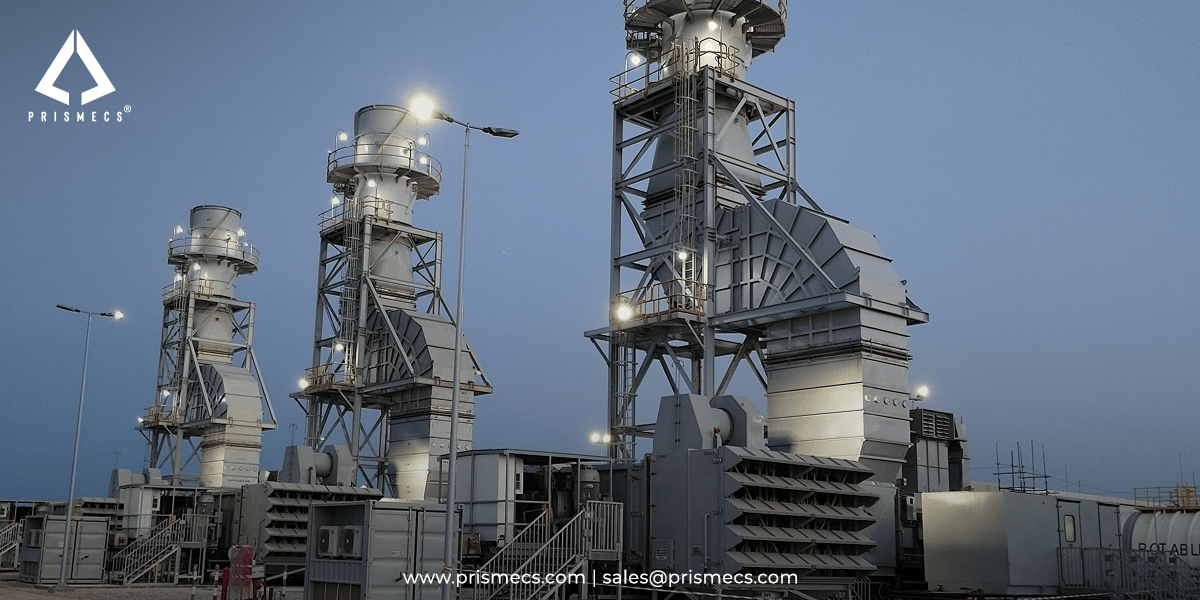
What Is a Mobile Gas Turbine Power Plant? TM2500-Class Units Explained
A mobile gas turbine power plant is a transportable power generation system designed to add electrical capacity faster than a conventional permanent p...
Power Utilities
20 minutes read
Fast-Track Power Plants Deployment: How to Reach Speed to Power in Under 12 Months
Fast-track power plant deployment can hit first power in weeks. See real TM2500 timelines from permitting to COD, proven in Oman and Taiwan. Plan your...